Quick verdict
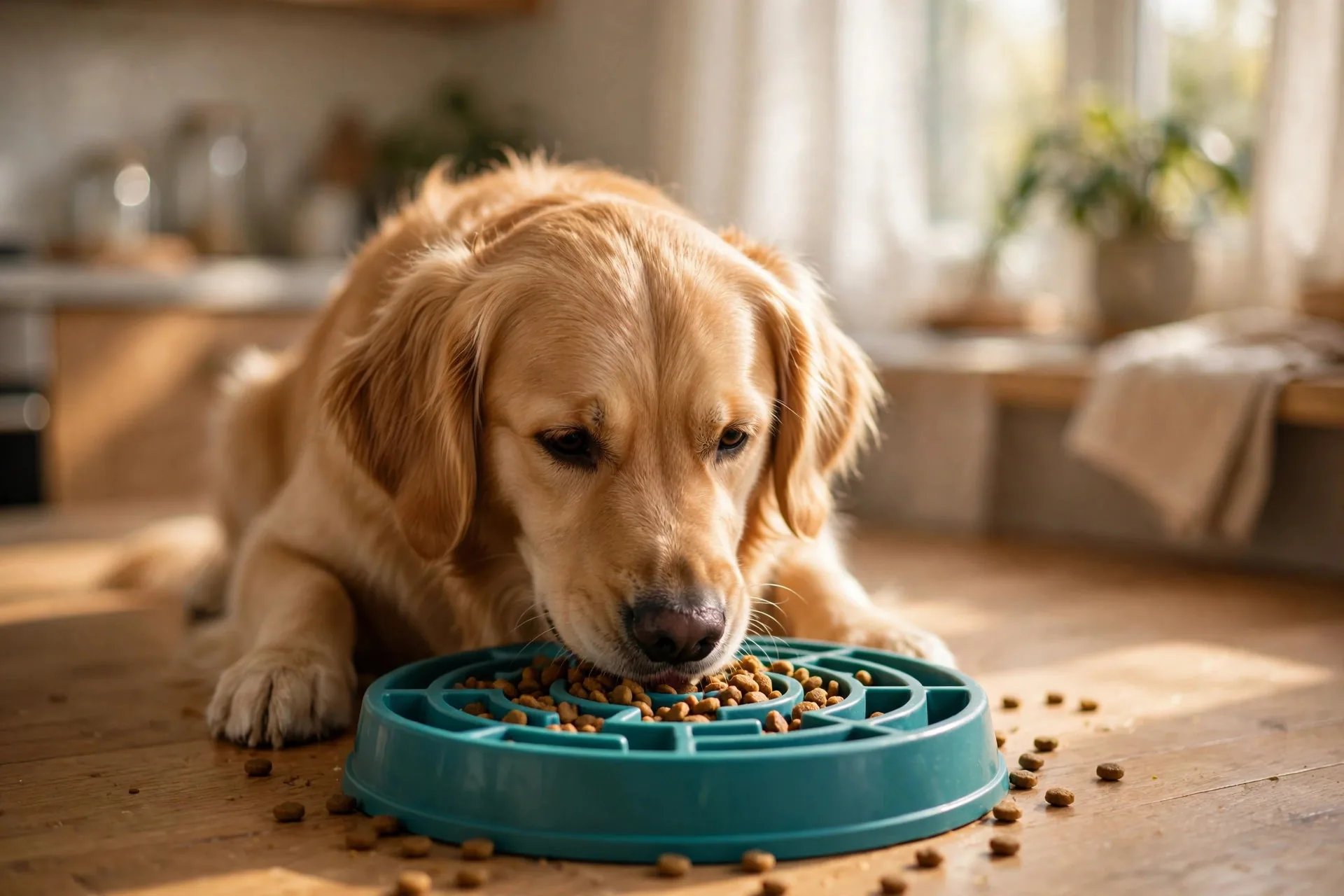
Yes — for most dogs that eat too fast, a slow feeder bowl genuinely slows them down. Maze ridges force your dog to work kibble out with the tongue, turning a 45-second inhale into several minutes of deliberate eating. They're inexpensive, widely available, and low-effort to use. They won't fix anxiety or replace training, but for the classic gulp-and-regurgitate cycle, they're one of the simplest fixes in dog ownership.
The real-life scenario
It's 6:15 a.m. You pour the kibble, and before your coffee finishes brewing, the bowl is empty and your lab is staring at you like dinner was a rumor. Twenty minutes later, half of it reappears on the rug. If your dog eats like the bowl might be confiscated, you're not alone — fast eating is one of the most common feeding complaints owners have. Some dogs are simply enthusiastic; others learned to eat fast competing with littermates, and the habit stuck for life.
The fallout is familiar: regurgitation minutes after meals, impressive flatulence, and the swallowed-air bloat risk that vets warn about, especially in deep-chested breeds. When you've wiped up the same half-digested breakfast three mornings in a row, "just feed smaller portions" stops feeling like a plan. You want something that changes the mechanics of the meal itself — and that's exactly what a slow feeder does.
How it works
A slow feeder is a bowl with raised ridges, spirals, or maze patterns molded into the eating surface. Instead of a flat pool of kibble your dog can vacuum up in sweeping mouthfuls, the food sits in valleys between obstacles. Your dog has to lick, nudge, and tease pieces free with the tongue — the same mouth, forced into smaller, slower motions. Based on published specifications, maze depth and complexity are the levers: deeper, tighter mazes slow dogs down more, while shallow swirls suit dogs that are new to the concept.
Soft-food mats work on a related principle. With a textured mat like the LickiMat Classic, you smear peanut butter or pumpkin across the surface and the dog licks it off — inherently slow, and calming for anxious eaters. It freezes well too, so a frozen mat can buy you twenty quiet minutes.
A few honest mechanics notes worth knowing before you buy:
- They work best with kibble and small treats. Large chunks or oversized kibble can wedge in narrow grooves, so match the maze to your food size as well as your dog's.
- Determined chewers can gnaw plastic ridges. If your dog destroys toys, watch the first few meals closely and pick up the bowl when it's empty. Chewed-off plastic is a vet visit waiting to happen.
- They manage the symptom, not the cause. A slow feeder changes eating speed; it doesn't teach calm behavior. Pair it with a boring, predictable feeding routine — same place, same time, no audience.
What to look for before you buy
Maze depth versus frustration tolerance. This is the single most important choice. Start with a moderate pattern. A maze so difficult your dog gives up and paws the bowl across the kitchen helps nobody and can make mealtime stressful — the opposite of what you want. You can always go deeper on the next bowl.
Material and cleaning. BPA-free plastic is the standard, and most models are top-rack dishwasher safe per the manufacturer. Maze grooves packed with wet food need a soak and a bottle brush; plan for that. If you'd rather avoid plastic entirely, it's worth reading our bowl materials comparison for the tradeoffs.
Stability. Fast eaters shove bowls around. A wide, non-slip base matters more than it sounds — the Outward Hound Fun Feeder Slo Bowl, for example, is designed with a wide base specifically because enthusiastic eaters push. A bowl that travels across the kitchen floor becomes a toy, not a feeder.
Size. A slow feeder that's too small for the meal just becomes a regular bowl with extra steps. Check the manufacturer's size guidance against your dog's actual portions, not their weight alone — a 70-pound dog on a weight-loss diet eats less than you'd think.
Supervision needs. Lick mats in particular are not chew toys. The manufacturer's guidance is to supervise and remove the mat when it's empty, because the thin surface can be punctured by a determined chewer. Same rule applies to any plastic maze bowl with a dog that likes to gnaw.
If mealtime enrichment appeals to you beyond slowing things down, a beginner puzzle toy takes the same principle further and builds problem-solving confidence.
Fun Feeder Slo Bowl by Outward Hound
Best for: Dogs that inhale dinner in under a minute
- Maze-style ridges slow eating based on published design specs
- Available in multiple sizes from mini to large
- BPA-free, food-safe materials per manufacturer specs
What we like
- Slows gulpers noticeably in everyday use reports
- Wide non-slip base stays put on hard floors
- Top-rack dishwasher safe per manufacturer
Tradeoffs
- Not for aggressive chewers — determined dogs can gnaw the ridges
- Hand-wash maze grooves take a moment to clean
Based on published specifications · Last checked 2026-10-08
LickiMat Classic by LickiMat
Best for: Anxious eaters, Dogs that need mental stimulation at meals
- Textured surface for spreading soft foods per manufacturer specs
- Made from food-grade TPR
- Freezer and microwave friendly per manufacturer
What we like
- Turns meals into a calming licking activity
- Great vehicle for peanut butter, yogurt, pumpkin
- Easy to rinse clean
Tradeoffs
- Not a chew toy — supervise and remove when empty
- Thin surface can be punctured by determined chewers
Based on published specifications · Last checked 2026-10-08
FAQ
Will a slow feeder stop my dog from vomiting after meals?
Often, yes — regurgitation shortly after eating is frequently caused by eating too fast and swallowing air along with the food. Slowing the meal down addresses the most common cause directly. But if vomiting continues after you've slowed meals, or if it's projectile, contains blood, or happens hours after eating, that's a vet conversation, not a bowl problem.
Can puppies use slow feeders?
Yes, and puppyhood is arguably the ideal time to start — you establish slow, calm eating as the norm rather than retraining a habit later. Just choose a size-appropriate bowl with a gentle maze pattern. A frustrated puppy learns that mealtime is stressful, which defeats the entire purpose.
Do slow feeders help prevent bloat (GDV)?
They may reduce one risk factor — rapid eating and the air swallowing that comes with it — which matters most for deep-chested breeds like Danes, shepherds, and setters. But bloat has multiple contributing causes, and a slow feeder is not prevention on its own. Talk to your vet about your dog's specific risk profile.
How do I clean the maze grooves?
Most slow feeders are dishwasher safe on the top rack per the manufacturer. For wet food packed into grooves, a short soak plus a bottle brush handles it. Lick mats are the easiest of all — they rinse clean under the tap in seconds.
My dog figured out the maze in a week. Now what?
Good news — it means the bowl worked. Move up to a deeper maze design, scatter-feed part of the meal on the lawn, or rotate two different slow feeders to keep meals interesting.
The bottom line
If your dog inhales dinner and pays for it afterward, a slow feeder is the cheapest, lowest-effort fix worth trying first. Pick a maze depth that challenges without frustrating, supervise chewers, and keep expectations honest: it changes how fast the food goes in, not how the dog feels about mealtime.
More in Feeding & Treats
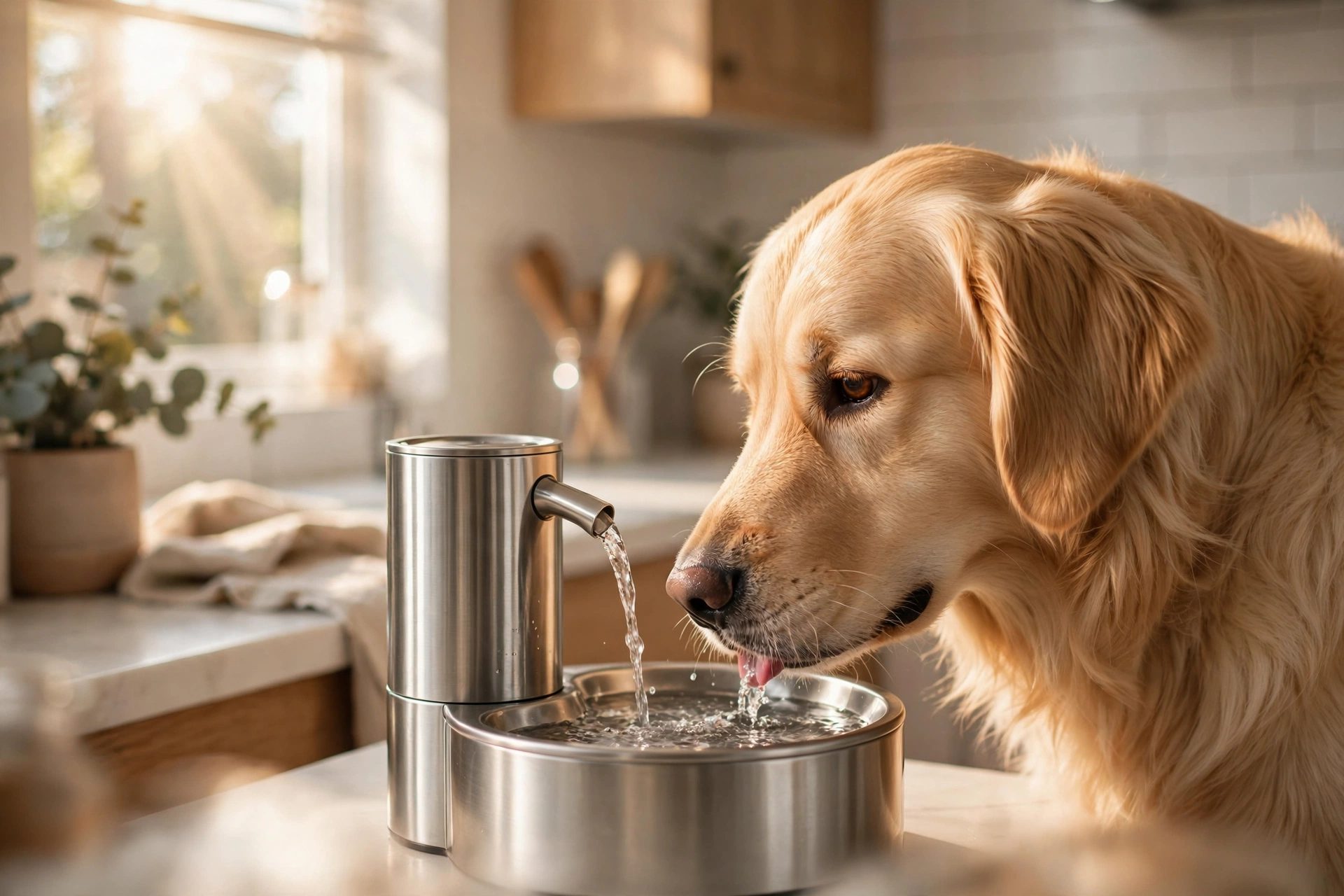
Pet Water Fountains: Encouraging Healthy Hydration
Moving, filtered water stays fresher and draws dogs to drink more. We cover how fountains work, the maintenance they demand, and which materials hold up best.
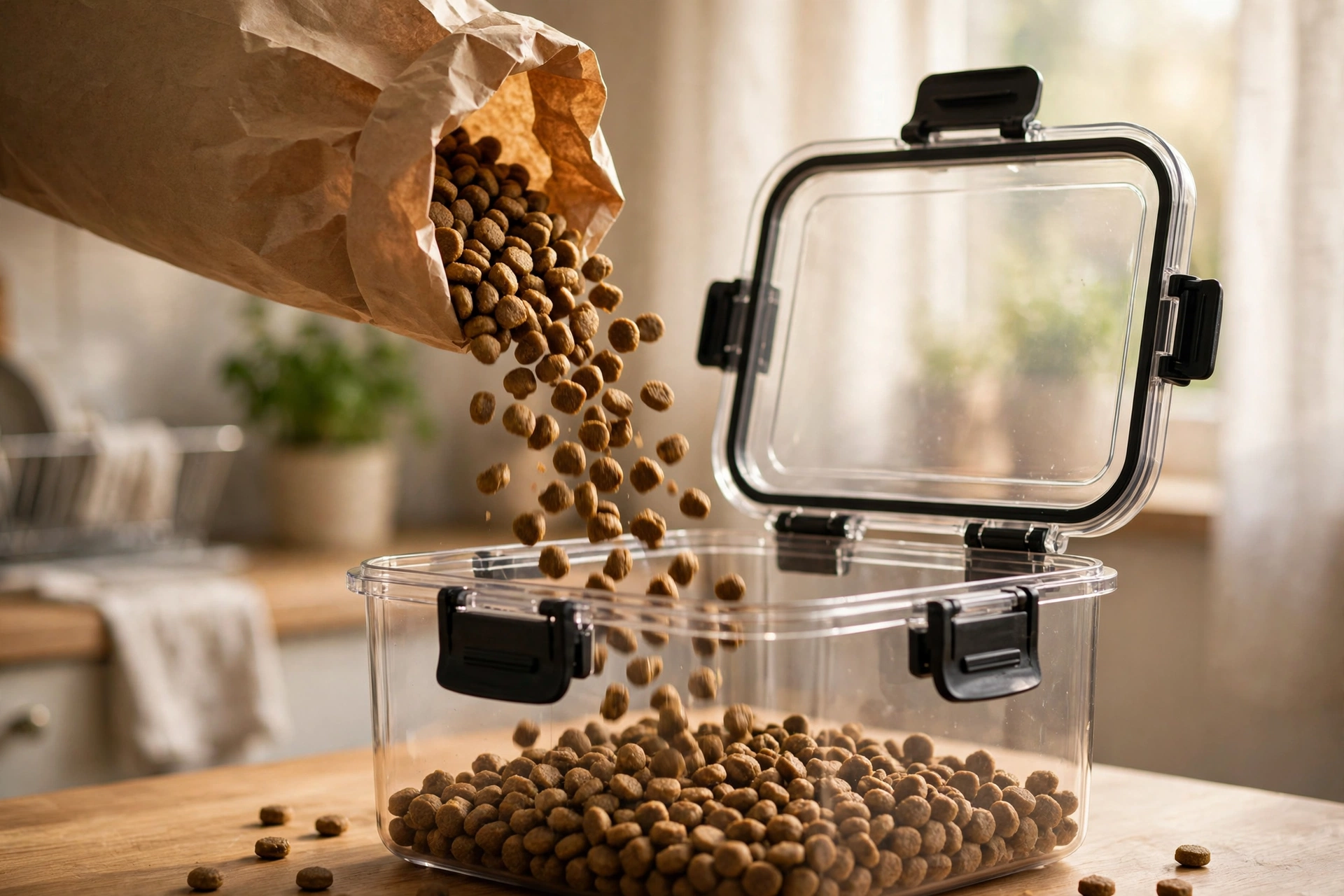
Dog Food Storage Containers: Keeping Kibble Fresh for Weeks
Kibble starts going stale the moment the bag opens. Here's how airtight containers work, what makes a seal actually airtight, and how to size one to the bag you buy.
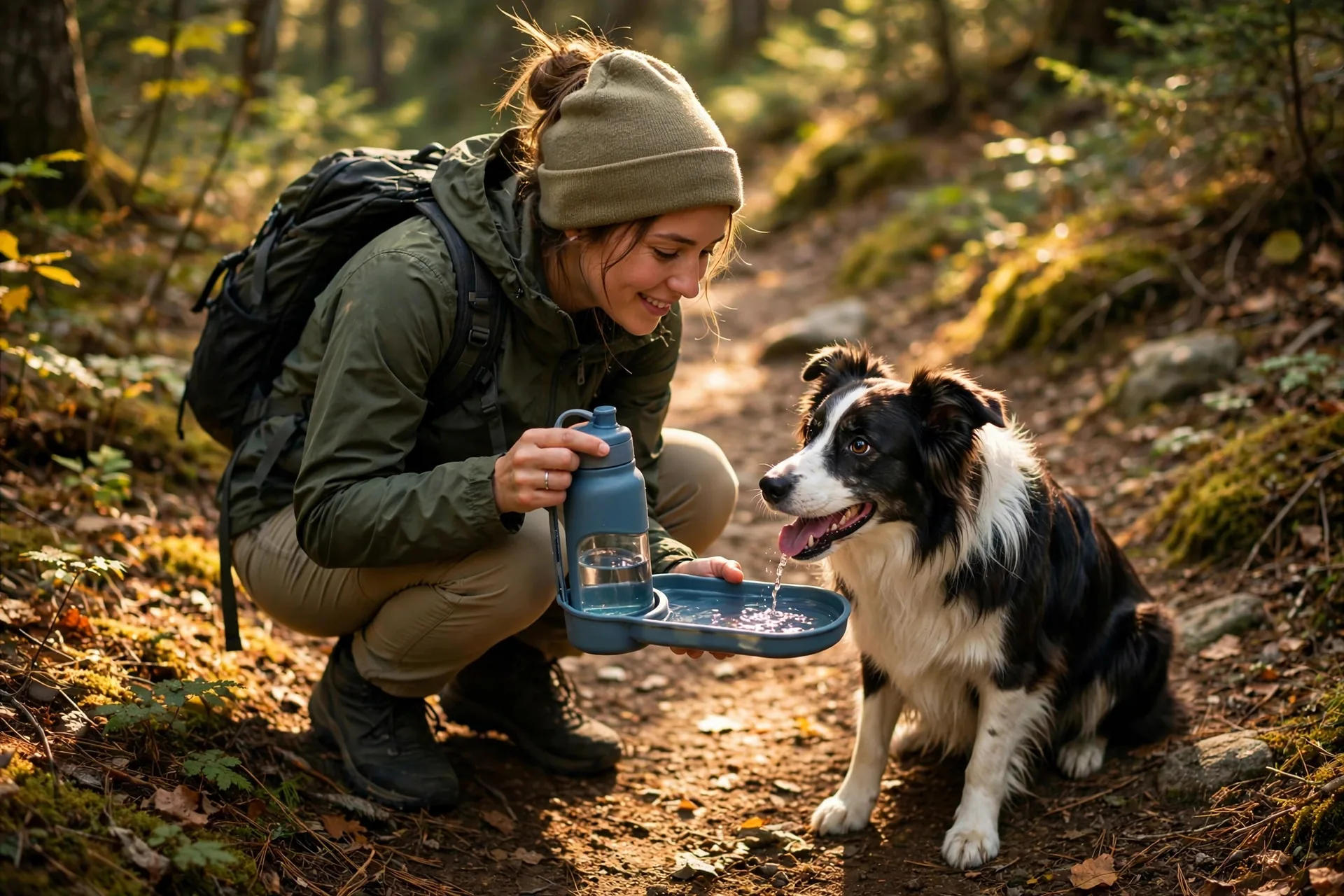
Dog Travel Water Bottles: What Actually Works on Hikes and Road Trips
Leak-proof, one-hand operation, enough capacity for the trail — here's what separates a good dog travel bottle from a soggy backpack.