Quick verdict
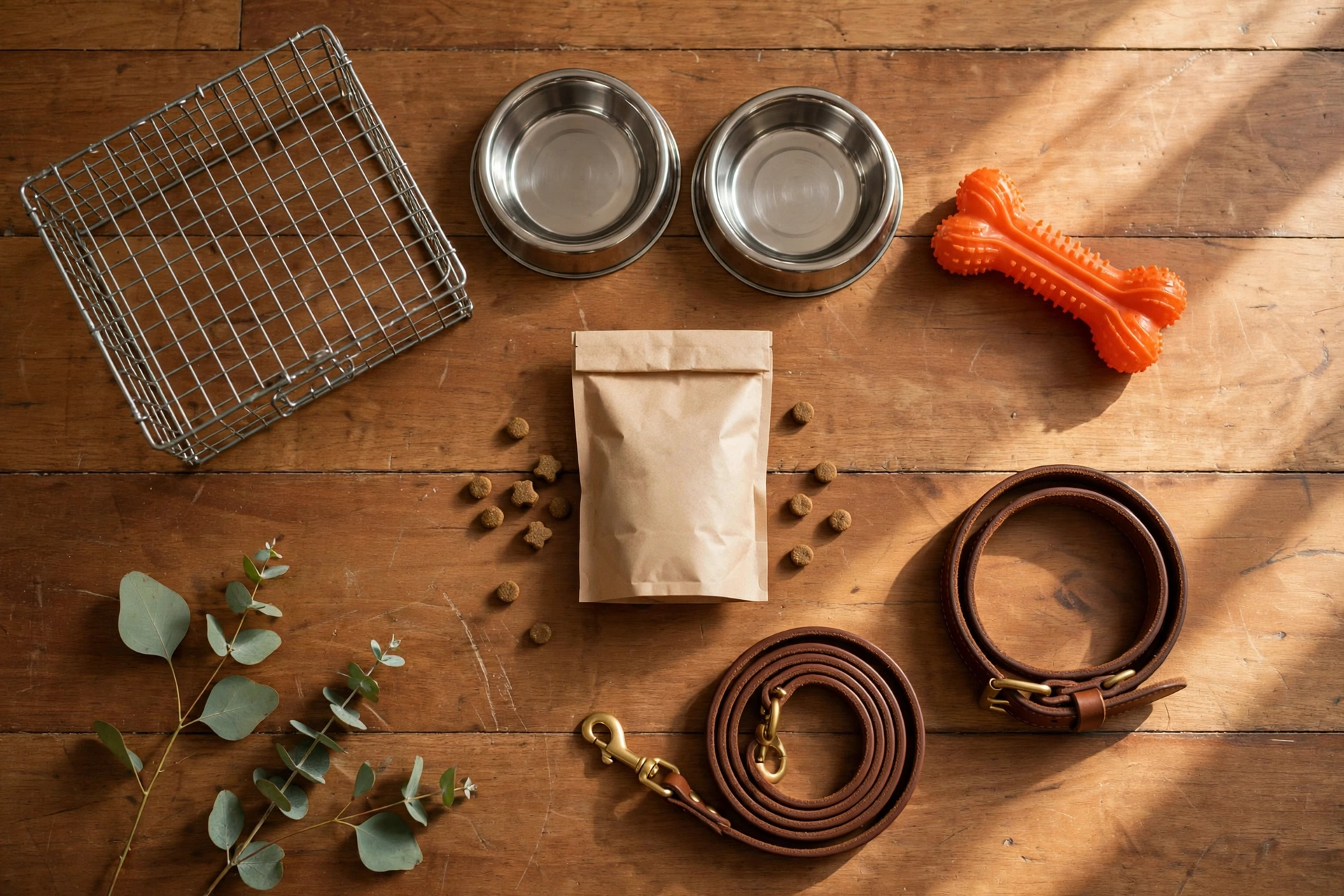
You need less than the pet store suggests and more than the breeder's "just bring a collar" implies. The realistic puppy starter kit is about a dozen items: a crate, food and water bowls, the food the puppy is already eating, a collar and leash, ID tag, a few appropriate chew toys, treats for training, enzymatic cleaner, and poop bags. Everything else — the wardrobe of outfits, the third bed, the elaborate toy collection — can wait until you know the actual puppy in front of you. Buy the boring essentials well, skip the cute non-essentials for now, and spend the savings on the vet fund and a training class.
The real-life scenario
It's two days before the puppy comes home and you're standing in the pet store aisle, cart already half full, holding a tiny raincoat and experiencing decision paralysis. The marketing says the puppy needs all of it. Your friend with the adult dog says you need "basically nothing." Both are wrong in useful ways.
Here's what actually happens in week one: the puppy sleeps 18 to 20 hours a day, eats four small meals, has accidents despite your best efforts, and chews everything within reach because that's how puppies explore the world. The items that matter are the ones that manage those four realities — sleep, food, toileting, and chewing. The raincoat does not manage any of them.
The other reality is that puppies grow absurdly fast and destroy things efficiently. The expensive orthopedic bed you buy for an eight-week-old will be chewed, outgrown, or both within months. The right strategy is durable basics now, better versions later once the land-shark phase passes and you know the dog's adult size and habits. This checklist is built on that principle: buy once for the puppy phase, upgrade deliberately for the adult dog.
How it works
A starter kit works when every item answers a specific first-month need. Think in systems, not products:
The sleep system. A crate sized for the puppy's expected adult size with a divider panel — the divider is the key, because it lets the small puppy have a small den now and the full space later. Dogs are den animals; a properly introduced crate becomes the puppy's bedroom, not a jail. Add a washable crate pad or old towels (nothing precious — they will be soiled). For the full crate-training picture, see our guide to dog crates for training and travel.
The food system. Bowls (stainless steel — easy to sanitize, hard to chew), and crucially, a bag of whatever food the puppy is already eating. Diet changes are one of the top causes of first-week digestive upset; transition to your preferred food gradually over a week or two. A slow feeder can wait until you see how the puppy eats, but if they inhale meals, our slow feeder guide covers the fix.
The outing system. A flat collar with an ID tag (your phone number, from day one), a standard 6-foot leash, and poop bags with a dispenser. Skip the retractable leash and the harness debate for now — a simple collar and leash is what a young puppy needs while learning that the leash exists.
The chewing and training system. Two or three puppy-appropriate chew toys in different textures — a rubber puppy Kong for stuffing, a soft plush for comfort, a puppy Nylabone for dedicated chewing. Small, soft training treats in high value (tiny pieces — you'll use hundreds). An enzymatic cleaner, because regular cleaners don't eliminate the odor markers that invite repeat accidents, and puppy accidents are a when, not an if.
What to look for before you buy
Crate: buy for the adult, divide for the puppy. This is the single biggest money-saver on the list. A wire crate with a divider panel in the adult size costs little more than a puppy-sized crate and lasts for years. Check the manufacturer's sizing guidance against the breed's expected adult weight. The MidWest iCrate, for example, is built around exactly this concept — divider panel included, sized by expected adult weight.
Bowls: stainless, weighted, boring. Puppies flip bowls, chew bowls, and drag bowls. Stainless steel bowls with a rubber base survive all of it and sanitize properly. Avoid elevated feeders and decorative ceramics for now — this is a utilitarian purchase.
Toys: match the mouth, not the marketing. Puppy teeth are sharp but puppy jaws are weak; toys labeled for adult "power chewers" are too hard and can damage puppy teeth. Look for the puppy-specific lines — softer rubber, gentler textures — from established brands. And buy fewer than you think: three good toys in rotation beat twelve scattered on the floor, because novelty is what holds a puppy's interest.
Treats: small, soft, and plentiful. Training a puppy means rewarding constantly — dozens of reps a day. Treats should be pea-sized, soft enough to eat in one second (a crunchy biscuit breaks training rhythm), and something the puppy finds genuinely exciting. You'll go through them fast; buy the bigger bag.
Cleaner: enzymatic or nothing. This is non-negotiable. Standard household cleaners remove the stain you can see but leave the proteins the puppy can smell, which reads as "bathroom here." Enzymatic cleaners break down those proteins. One bottle handles the first month.
What to skip for now. Clothes (unless it's a tiny short-coated breed in winter), premium beds (buy after the chewing phase), retractable leashes, elaborate grooming tools beyond a basic brush and nail clippers, and bulk food of a brand the puppy hasn't tried. Also skip the second crate for the car until you know your travel patterns.
MidWest Homes for Pets iCrate by MidWest Homes for Pets
Best for: First-time puppy owners, Anyone crate training from day one
- Wire construction with divider panel included, per manufacturer specs
- Double doors for flexible room placement, per manufacturer specs
- Sizes based on expected adult weight, per manufacturer specs
- Folds flat for travel and storage, per manufacturer specs
What we like
- Divider panel means one crate from puppy to adult
- Sturdy wire build at a sensible price
- Folds flat for car trips and storage
Tradeoffs
- Wire crates are not escape-proof for determined dogs
- Crate pad sold separately
Based on published specifications · Last checked 2026-10-08
Kong Puppy Toy by Kong
Best for: Teething puppies, Interactive treat-stuffing play
- Puppy-specific softer rubber formula, per manufacturer specs
- Hollow center designed for stuffing with treats, per manufacturer specs
- Unpredictable bounce for play, per manufacturer specs
What we like
- Softer rubber suited to puppy teeth and gums
- Stuffable design doubles as enrichment
- A long-standing, widely trusted puppy product
Tradeoffs
- Puppy rubber is softer and wears faster than adult Kong rubber
- Needs regular washing if stuffed with food
Based on published specifications · Last checked 2026-10-08
Nylabone Puppy Chew by Nylabone
Best for: Puppies that chew everything, Redirecting chewing onto appropriate toys
- Puppy-specific chew material in gentler texture, per manufacturer specs
- Sized for puppy jaws, per manufacturer specs
- Flavored options to hold interest, per manufacturer specs
What we like
- Gives teething puppies an approved chewing outlet
- Durable enough to last the early chewing phase
- Helps protect furniture, shoes, and baseboards
Tradeoffs
- Supervise use and discard when worn down
- Not edible — for chewing only
Based on published specifications · Last checked 2026-10-08
FAQ
How much should I budget for the starter kit?
The essentials — crate, bowls, collar, leash, tag, toys, treats, cleaner, bags, and the first bag of food — typically run to a modest total if you buy sensibly, with the crate as the largest single item. The expensive mistakes are buying premium versions of things the puppy will destroy or outgrow in months. Save the premium spending for the adult-dog upgrades.
Should I buy everything before the puppy arrives?
The sleep, food, and toileting basics — yes, have them ready on day one. Toys and treats too. But leave room in the budget for week-two purchases once you know the puppy: some puppies hate the crate pad and prefer bare plastic, some won't touch a particular treat, some need a different collar size than the chart suggested. The puppy is the final reviewer.
Crate or playpen for the first weeks?
Both have their place and they do different jobs. The crate is for sleep and for teaching bladder control — dogs avoid soiling their den. A playpen or gated area is for awake-but-unsupervised time. If you must choose one first, choose the crate; it's the more versatile training tool.
What food should I start with?
Whatever the breeder or shelter was feeding, bought in advance. Keep the puppy on it for the first week minimum, then transition gradually over 7–10 days if you want to switch — sudden food changes are a leading cause of first-week diarrhea, which nobody needs during house training.
When do I upgrade from the starter kit?
When the puppy stops being a puppy about it: the chewing phase eases (usually well into the first year), adult size is reached, and habits are known. That's when the good bed, the permanent bowl set, the grown-up toy collection, and the second crate earn their money — bought once, for the actual dog, instead of guessed at for a hypothetical one.
The bottom line
The realistic puppy starter kit is a short list bought well: a divider crate for the adult size, stainless bowls, the puppy's current food, collar with ID, leash, bags, a few puppy-appropriate chews, tiny training treats, and enzymatic cleaner. Everything on this list earns its place in the first month. Everything else is a second-month decision made with knowledge of the actual puppy — which is always a better purchase than a guess made in a pet store aisle.
More in Home & Sleep
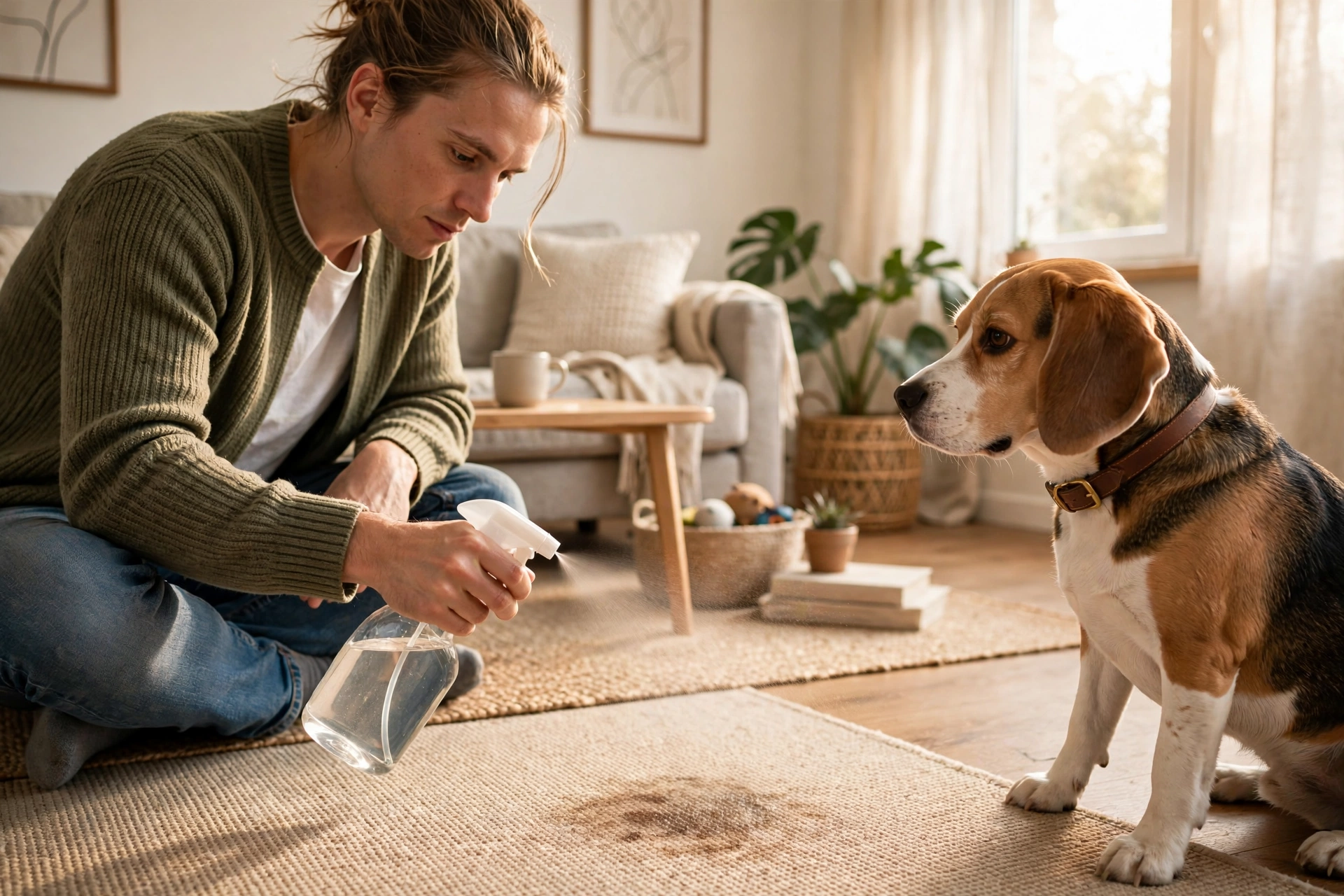
Enzymatic Cleaners for Pet Stains and Odors
Urine odor that keeps coming back isn't a cleaning failure — it's chemistry. How enzymatic cleaners digest the residue regular cleaners leave behind, and how to apply them so they finish the job.
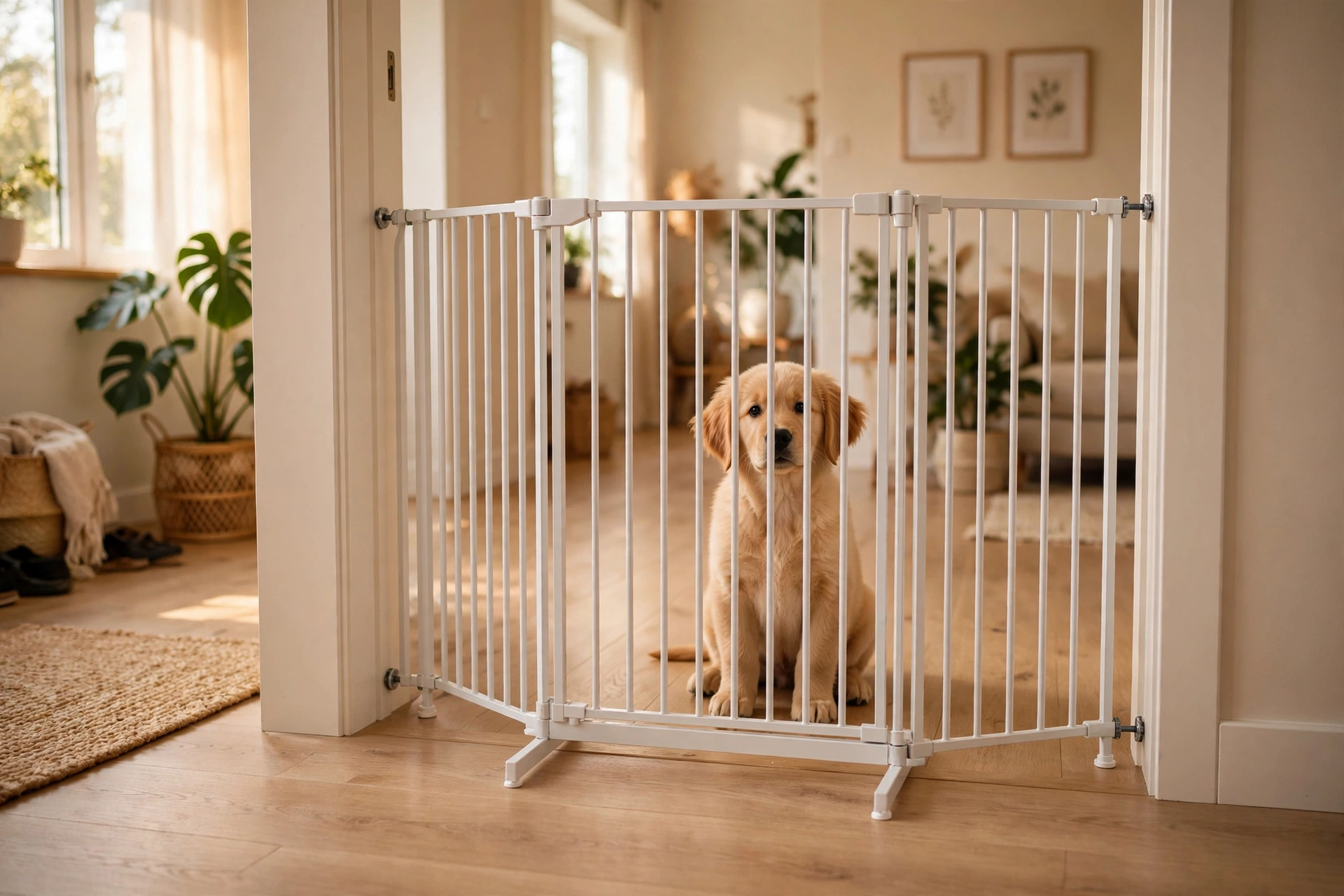
Dog Gates and Playpens: Creating Safe Home Zones
Pressure-mounted or hardware-mounted? Gate or playpen? How to divide your home into safe zones for a puppy — matching the barrier to the location, the athlete, and your daily routine.
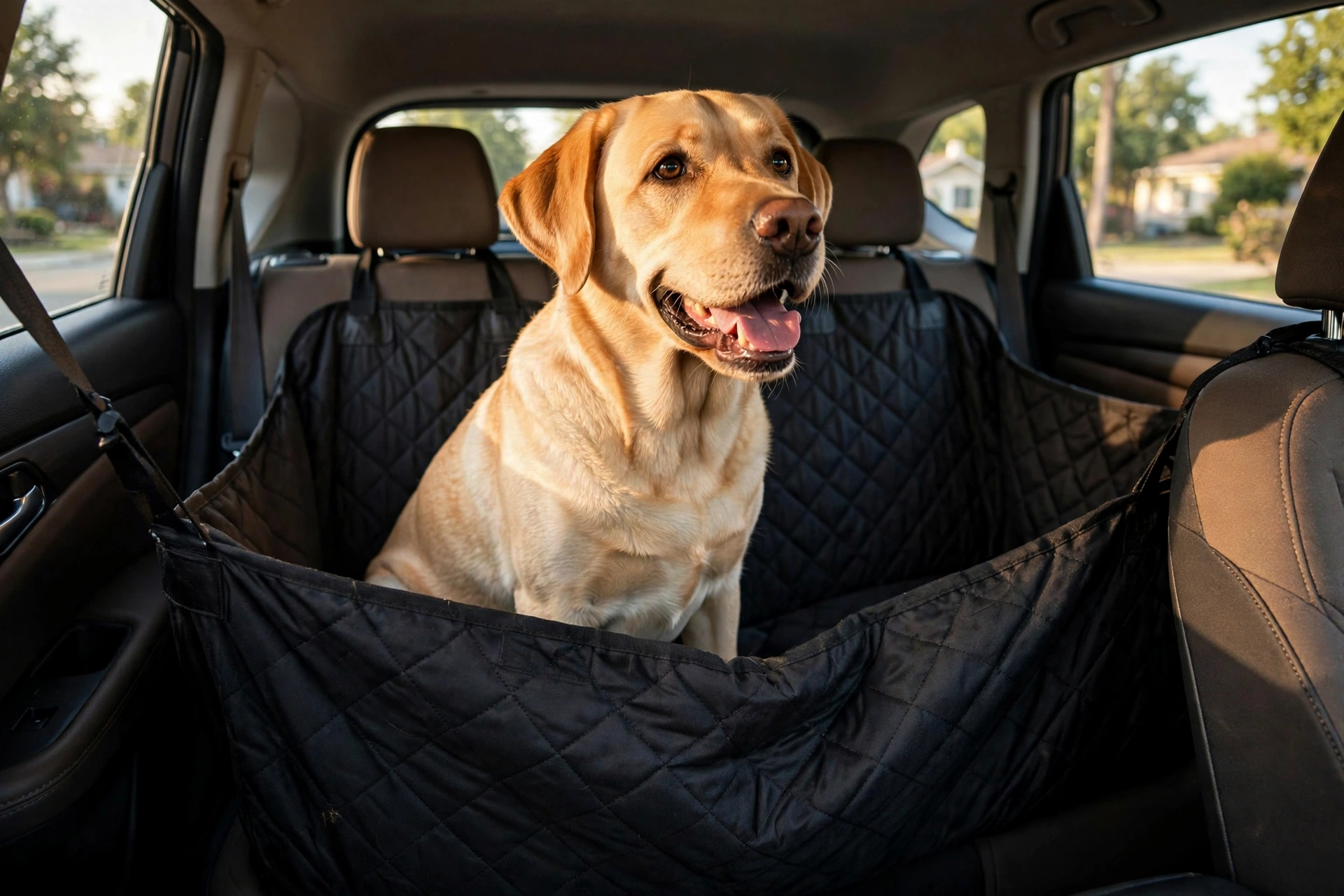
Dog Car Seat Covers and Hammocks: Protecting Your Car
Hammock covers protect the seat, the seatbacks, and the footwell gap in one anchored panel. What separates a real waterproof cover from a decorative one.