Quick verdict
No dog toy is truly indestructible, and any brand claiming otherwise is selling you something. What exists is a spectrum — from toys a power chewer flattens in minutes to ones that survive weeks of daily gnawing. Dense nylon chews (Benebone Wishbone, Nylabone DuraChew) and ultra-tough rubber (KONG Classic — black "extreme" for the hardest chewers) hold up longest per published material specs. The real strategy isn't finding one immortal toy — it's matching the toy to your dog's chew style, supervising, and replacing toys before they become hazards.
The real-life scenario
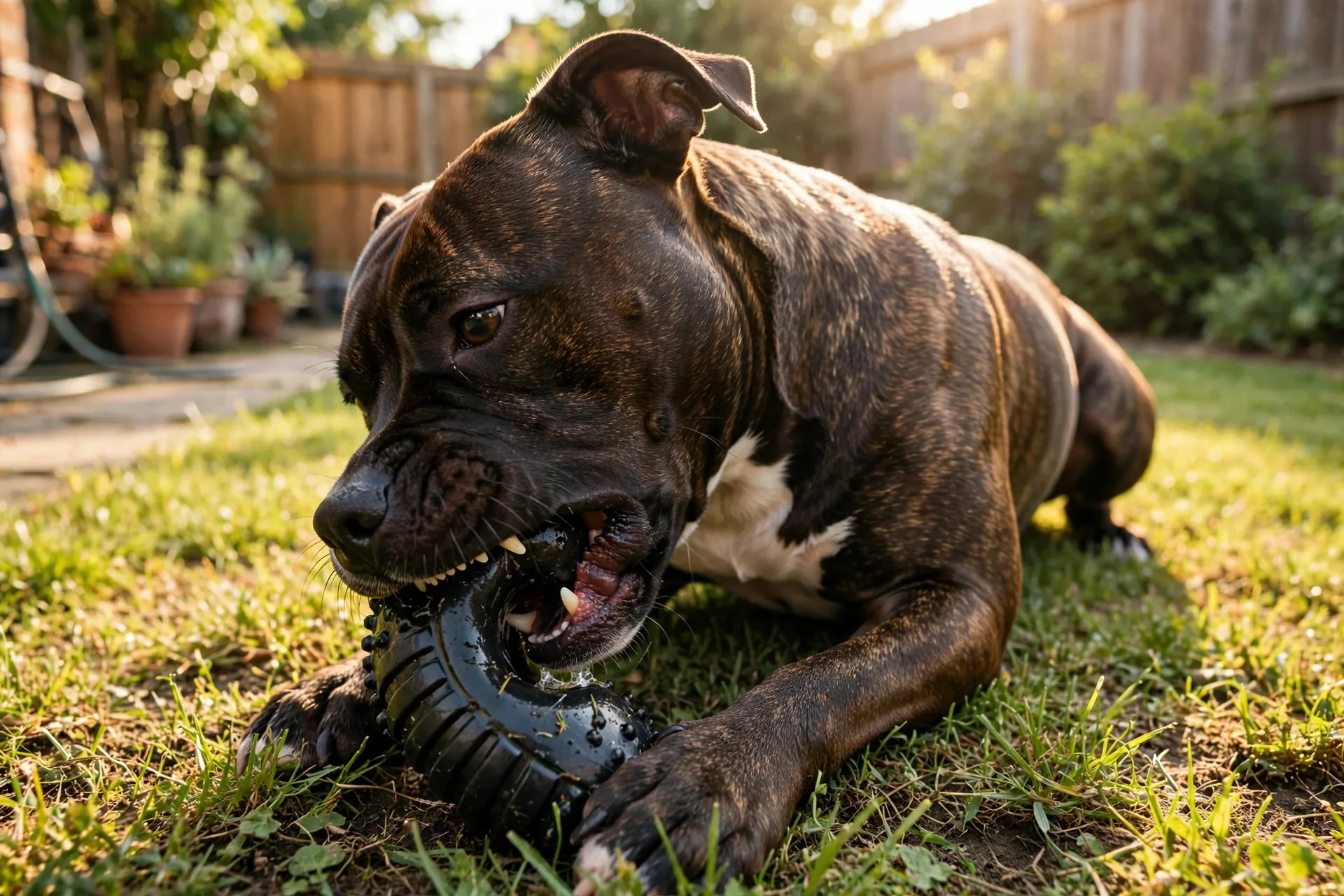
You bought the toy with the muscular cartoon dog on the packaging and the word "TOUGH" in aggressive capitals. Your 70-pound staffy mix took it to the backyard at 2 p.m. By 2:20 it was in three pieces, one of which your dog was proudly attempting to swallow while you performed an emergency extraction. The toy graveyard under the porch tells the rest: squeakers surgically removed in minutes, rope toys unraveled into modern art, plush toys eviscerated with chilling efficiency. Your dog isn't abnormal, and you didn't buy the wrong brand — you bought a toy designed for a different kind of chewer. Power chewers need a completely different category of toy, and once you shop in the right category, the destruction slows dramatically.
How to choose
Know your dog's chew style — it decides everything. Gnawers (the methodical ones who work one spot for an hour) do well with dense nylon and hard rubber — the Benebone and Nylabone audience. Shredders (rip, tear, dissect) need toys with nothing to grab: smooth, dense shapes with no seams, limbs, or squeakers to target. Gulpers (the ones who try to swallow chunks) need the hardest, largest toys and the closest supervision. Watch your dog with a mid-range toy for ten minutes and you'll know which type you're dealing with.
Match hardness to the dog, not the marketing. The toughest materials for power chewers are dense nylon (the DuraChew formula is made for strong jaws per the manufacturer's specs) and thick natural rubber (the KONG Classic's formula, with the black extreme version stepped up for the hardest chewers). But harder isn't automatically better: extremely hard toys can crack teeth in aggressive chewers, and they're wrong for seniors or dogs with dental issues — the DuraChew's own product notes flag exactly that. The sweet spot is a toy your dog can dent slightly with sustained effort but can't bite chunks off. If pieces are coming off, it's too soft for that dog.
Size up, not down. A chew toy should be large enough that your dog can't fit the whole thing in their mouth. When in doubt, go one size bigger than the chart suggests for a power chewer. And size isn't one-and-done: as nylon chews wear down over weeks of heavy chewing — the Benebone will wear down, that's normal — they get smaller, which is your signal to replace them.
Design details that actually matter. The Benebone's curved wishbone shape isn't decorative — it gives your dog's paws something to grip, keeping them engaged longer than a plain stick. Flavor infused through the nylon holds a dog's interest far longer than unflavored plastic, so the toy gets chewed instead of abandoned. Smooth, one-piece construction with no glued seams removes the weak points shredders exploit first.
Supervise, and know when to retire a toy. No chew toy is meant to be gnawed unsupervised, and every tough toy has a retirement point: nylon worn small enough to swallow, rubber with cracks or missing chunks, anything shifting from wearing down to breaking apart. Replacing a chew on time is cheap; an emergency vet visit is not. If your dog also loves problem-solving, rotate in puzzle toys for beginners so chew toys aren't carrying the whole enrichment load.
What not to overpay for
The word "indestructible" on the packaging. It's marketing, not a warranty. Every toy fails eventually — the honest question is how long it lasts and how it fails. Gradual wearing down is fine; shattering into swallowable chunks is not. Pay for dense materials and smart design, not the bravest adjective.
Plush toys marketed as "tough." Double stitching and "chew guard" linings slow a determined shredder by minutes, not weeks. If your dog disembowels plush toys, no plush toy is the answer at any price — that money belongs in the nylon-and-rubber budget.
Subscription boxes for power chewers. Most boxes mix durability levels, and one built for average chewers disappoints a power chewer every month. Buy two or three proven tough chews instead — a flavored nylon, a DuraChew, a black KONG — and replace them on your own schedule.
Replacing instead of rotating. A dog with constant access to the same chew gets bored and starts testing its limits. Rotate two or three tough toys and each one feels novel when it returns. You'll buy fewer toys overall. For tugging and fetching rather than pure chewing, our rope vs. rubber chews guide matches the toy to the game.
Wishbone Chew Toy by Benebone
Best for: Aggressive chewers
- Real flavor infused throughout per manufacturer specs
- Curved wishbone shape for paw-grip
- Made in USA per brand claim
What we like
- Dogs stay engaged longer than plain nylon
- Easy for paws to hold
- No sharp splintering like real bones
Tradeoffs
- Not for dogs that bite off chunks — supervise
- Will wear down over weeks of heavy chewing
Based on published specifications · Last checked 2026-10-08
DuraChew Bone by Nylabone
Best for: Power chewers on a budget
- DuraChew formula for strong jaws per specs
- Multiple flavors and sizes
- Vet-recommended brand per brand claim
What we like
- Very affordable for the durability
- Long-lasting for most power chewers
- Size range covers tiny to giant
Tradeoffs
- Too hard for senior dogs with dental issues
- Supervise — discard when worn small
Based on published specifications · Last checked 2026-10-08
KONG Classic by KONG
Best for: Stuffing, freezing, and fetch
- Natural red rubber formula per manufacturer specs
- Hollow center for stuffing
- Vet-recommended design per brand claim
What we like
- Endlessly stuffable — kibble, peanut butter, frozen mixes
- Bounces unpredictably for fetch
- Dishwasher safe
Tradeoffs
- Black 'extreme' version needed for power chewers
- Rubber smell when new (fades)
Based on published specifications · Last checked 2026-10-08
FAQ
Is there really no indestructible dog toy?
Correct. "Indestructible" is a marketing term, not an engineering standard — every material has a failure point against enough jaw strength and persistence. The useful question isn't "will it ever break" but "how long will it last, and will it fail safely by wearing down rather than breaking into dangerous pieces."
Are nylon chews safe?
Quality nylon chews are designed to wear down gradually into tiny shavings rather than splintering like real bones — that's the key safety difference. Still, they're chew toys, not food: supervise, discard the chew when it's worn to a swallowable size, and skip nylon for dogs that bite off chunks rather than gnawing.
How often should I replace a tough chew?
Inspect chew toys weekly. Replace nylon when it's worn down significantly or develops sharp edges, and rubber when you see cracks, tears, or missing chunks. Rule of thumb: if the toy fits entirely in your dog's mouth, it's done. Heavy daily chewers wearing through nylon every few weeks is normal use, not product failure.
My dog destroys every toy in minutes. Is something wrong with my dog?
Almost certainly not — you likely have a normal high-drive power chewer, common in terriers, bully breeds, and working dogs. Cover the basics first: enough exercise, mental enrichment, and a proper chewing outlet. The toy graveyard is usually a shopping problem, not a dog problem.
The bottom line
Stop hunting for the immortal toy. Match the toy to your dog's chew style — dense nylon or ultra-tough rubber, sized up — then supervise, inspect weekly, retire on time.
More in Toys & Enrichment
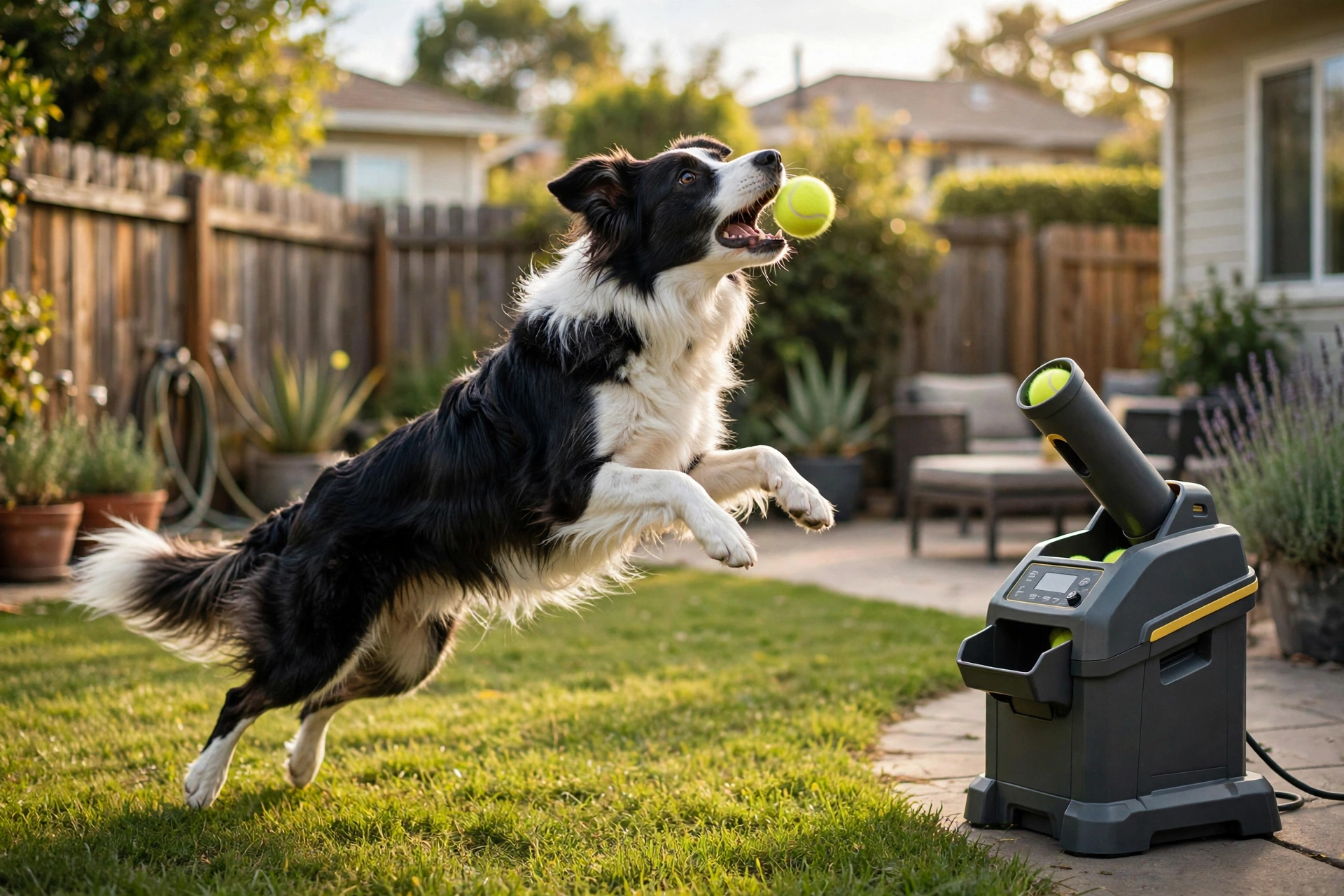
Automatic Ball Launchers for High-Energy Dogs
For the dog that would play fetch until your arm gives out: how automatic launchers work, who they suit, and the safety rules that matter.
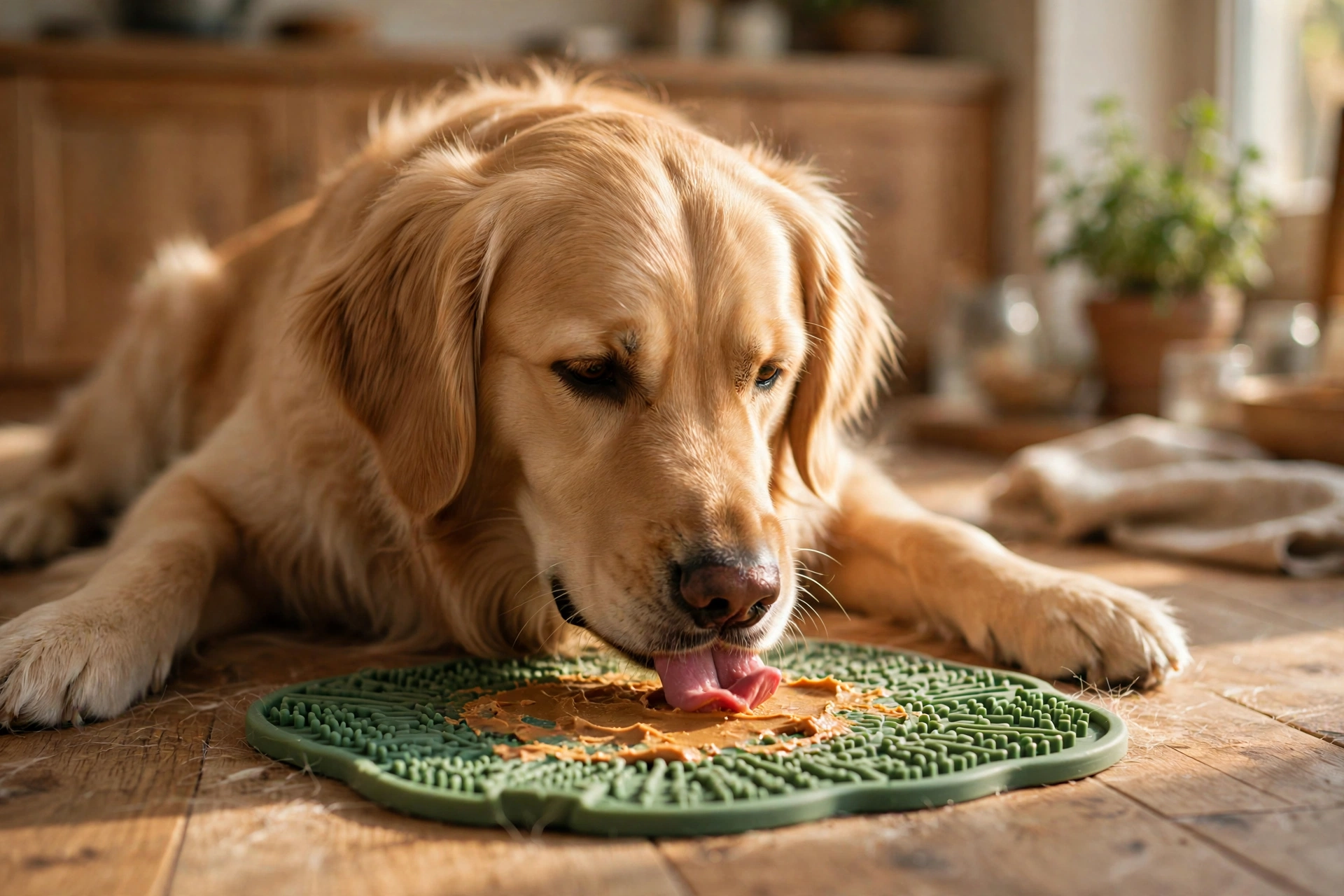
Lick Mats for Dogs: Calm Enrichment That Actually Works
A few dollars of textured silicone that buys calm on demand. How lick mats settle anxious dogs, what to smear on them, and why freezing is the best trick in the category.
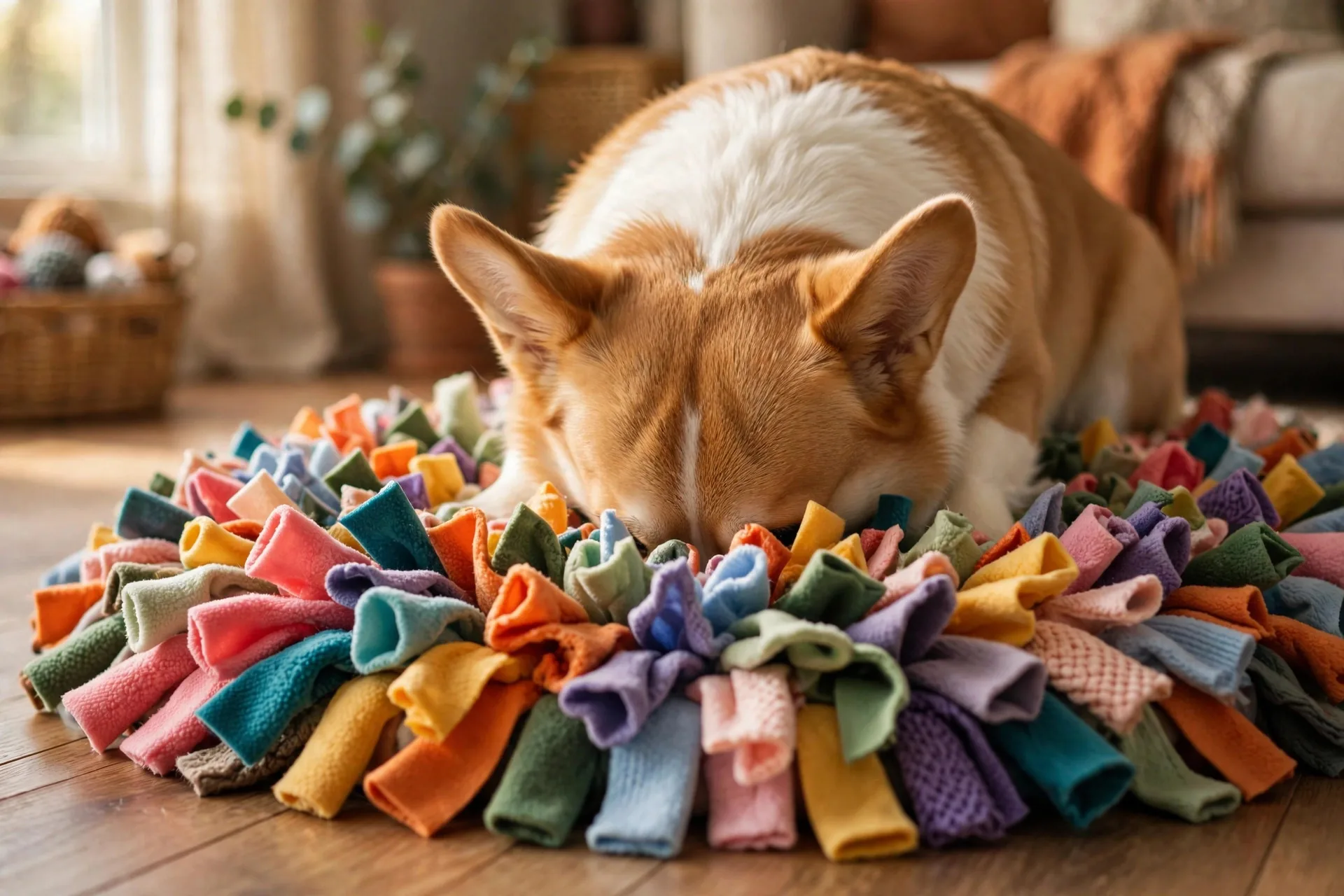
Snuffle Mats: Turning 10 Minutes of Sniffing Into a Tired, Happy Dog
Ten minutes of sniffing can do what an hour of fetch can't. How snuffle mats work, how to introduce one, and what to look for.