Quick verdict
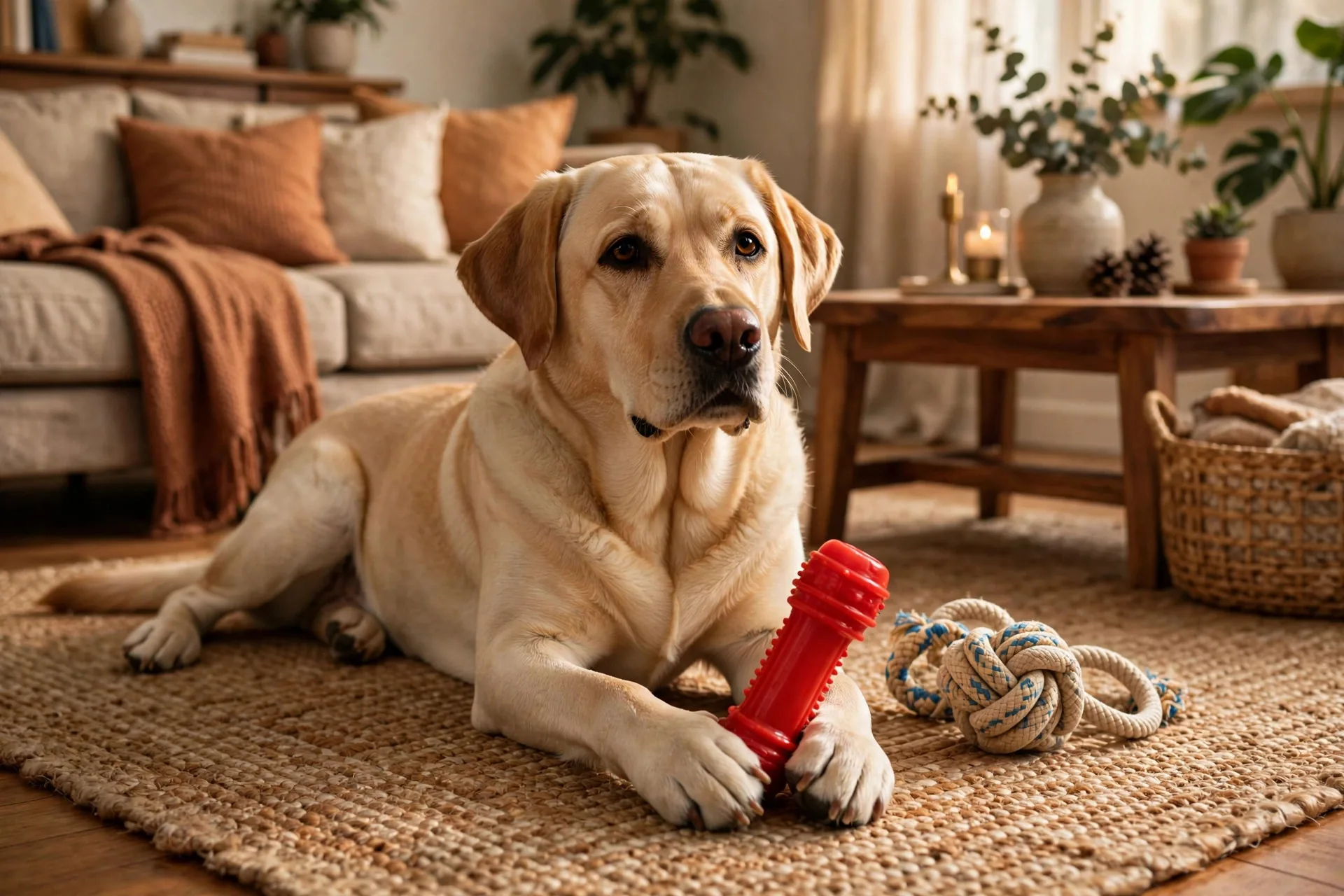
Rope toys are for together play — tug, fetch, and bonding. Rubber chews are for solo play — stuffing, chewing, and quiet downtime. The best choice isn't about which is better overall; it's about what your dog actually does with toys. Power chewers who destroy fabric need rubber; social players who live for tug need rope. Many dogs are happiest with one of each.
The real-life scenario
Watch your dog with a new toy for sixty seconds and you'll learn everything. One dog grabs it, sprints across the yard, and waits — tail wagging — for you to grab the other end. That's a tug dog. Another takes it to the corner and gnaws contentedly for twenty minutes without looking up. That's a solo chewer. Then there's the shredder, who sits down with the focus of a craftsman and systematically takes the thing apart.
The mistake is buying for the wrong dog. The tug dog handed a rubber chew will bring it back and drop it at your feet, confused. The shredder handed a rope toy will leave you pulling cotton strings out of the couch for a month. Match the toy to the behavior, and toy life — yours and the dog's — gets dramatically simpler.
How they differ
Purpose and play style. Rope toys are interactive by design. They're meant to be grabbed at both ends, pulled, and played with. The fibers give way just enough to make tug satisfying, and most rope toys are also throwable for fetch. Rubber chews are the opposite: they're engineered for one dog and one mouth, providing resistance, texture, and something to gnaw while you're busy.
Materials and durability. Rope toys are typically cotton or cotton-poly blends, knotted and frayed. They wear by design — fraying is part of their lifespan — which makes them affordable and replaceable but short-lived. Rubber chews, especially molded natural-rubber designs like the KONG Classic, are built for endurance: thick-walled, bounceable, and in some cases nearly indestructible for average chewers. For extreme chewers, manufacturers make harder compounds (KONG's black "extreme" line, for example).
Dental effect. Rope fibers floss between teeth during tug and fetch — one of the genuine upsides of a Mammoth Flossy Chews session. Rubber chews clean through friction during sustained gnawing. Neither replaces actual dental care, but both beat doing nothing.
Safety profile. This is where the distinction matters most. Rope toys that fray can shed strings, and a dog that swallows string can face intestinal trouble — rope toys must be supervised, and frayed ones trimmed or retired. Rubber chews shed tiny particles too, but reputable ones don't splinter; the bigger risk is a dog biting off a chunk of a toy that's too small for them. Sized correctly and supervised, both are safe. Unsupervised, neither is.
Solo vs. social enrichment. A rubber chew stuffed with frozen peanut butter is the gold standard of solo enrichment — it's what trainers recommend for crate time, storm anxiety, and "please leave me alone while I cook" situations. Rope toys offer none of that. But rope toys give you something rubber can't: twenty minutes of tug is genuine bonding time that no solo toy replaces.
| Rope Toys | Rubber Chews | |
|---|---|---|
| Best for | Tug games, fetch, interactive play | Solo chewing, crate time, food-stuffing |
| Watch out for | Frayed strings must be trimmed or retired; not for unsupervised chewing | Size must be right; too-small toys can be a choking risk |
| Price tier | Budget-friendly, replace regularly | Moderate; durable designs last months |
| Chew style match | Social tuggers and fetchers | Independent gnawers and food-motivated dogs |
| Enrichment value | Bonding and exercise through play | Calm, focused solo occupation |
The flavored middle ground. Some dogs reject plain rubber because it's boring. That's the gap flavored nylon chews like the Benebone Wishbone fill — a solo chew with real flavor infused through the material, curved so paws can grip it. It won't bounce or stuff like a KONG, but for the aggressive solo chewer who loses interest in unflavored toys, it's the right niche. Supervise these as with any chew: they wear down over weeks, and chunks should never be bitten off and swallowed.
The honest answer for most households is both: a rope toy like the Mammoth Flossy Chews for evening tug sessions, and a KONG Classic (stuffed and frozen) for the crate or the work-from-home afternoons. One builds your bond; the other buys your sanity.
Flossy Chews Rope Toy by Mammoth
Best for: Tug games and interactive play
- Cotton-poly blend rope per product specs
- Multiple sizes
- Machine washable
What we like
- Great for tug-of-war bonding
- Helps clean teeth during play
- Cheap enough to replace regularly
Tradeoffs
- Fibers fray — trim and replace when worn
- Not a solo chew toy
Based on published specifications · Last checked 2026-10-08
KONG Classic by KONG
Best for: Stuffing, freezing, and fetch
- Natural red rubber formula per manufacturer specs
- Hollow center for stuffing
- Vet-recommended design per brand claim
What we like
- Endlessly stuffable — kibble, peanut butter, frozen mixes
- Bounces unpredictably for fetch
- Dishwasher safe
Tradeoffs
- Black 'extreme' version needed for power chewers
- Rubber smell when new (fades)
Based on published specifications · Last checked 2026-10-08
Wishbone Chew Toy by Benebone
Best for: Aggressive chewers
- Real flavor infused throughout per manufacturer specs
- Curved wishbone shape for paw-grip
- Made in USA per brand claim
What we like
- Dogs stay engaged longer than plain nylon
- Easy for paws to hold
- No sharp splintering like real bones
Tradeoffs
- Not for dogs that bite off chunks — supervise
- Will wear down over weeks of heavy chewing
Based on published specifications · Last checked 2026-10-08
FAQ
Can I leave my dog alone with a rope toy?
No. Rope toys are for supervised, interactive play only. Once fibers fray, dogs can swallow strings, and string ingestion can be a serious veterinary emergency. If you need a leave-alone toy, use a properly sized rubber chew instead.
My dog destroys every rope toy in a day. Should I keep buying them?
Only if the destruction is the fun part for a supervised tug session. If your dog shreds rather than tugs, you're paying for confetti — switch the budget to durable rubber chews and treat rope play as an occasional, supervised event. Our guide to tough toys for power chewers covers more durable options.
What's the safest way to play tug with a rope toy?
Let the dog grab and pull, keep your hands away from teeth, and teach a "drop it" cue so you can end the game cleanly. Never yank upward or swing the dog — horizontal, gentle resistance is the game. End while it's still fun, not when someone gets cranky.
How do I know what size rubber chew to get?
Follow the manufacturer's size guidance for your dog's weight, then go up a size if your dog is a strong chewer. The toy should be too big to fit entirely in the mouth. When in doubt, bigger is safer than smaller.
Do rubber chews really help with teething puppies?
The gentle-gum argument has real merit: rubber gives under puppy teeth where hard nylon doesn't, and a frozen stuffed chew can soothe sore gums. Just size for a puppy mouth and supervise — puppies are champion destroyers of things that seem indestructible to adults.
The bottom line
Buy rope for the games you play together; buy rubber for the hours your dog spends alone. Match the toy to your dog's actual chew style — tugger, gnawer, or shredder — supervise rope play, size rubber generously, and retire anything frayed or chunked. Most dogs do best with one of each, and your evenings will thank you.
More in Toys & Enrichment
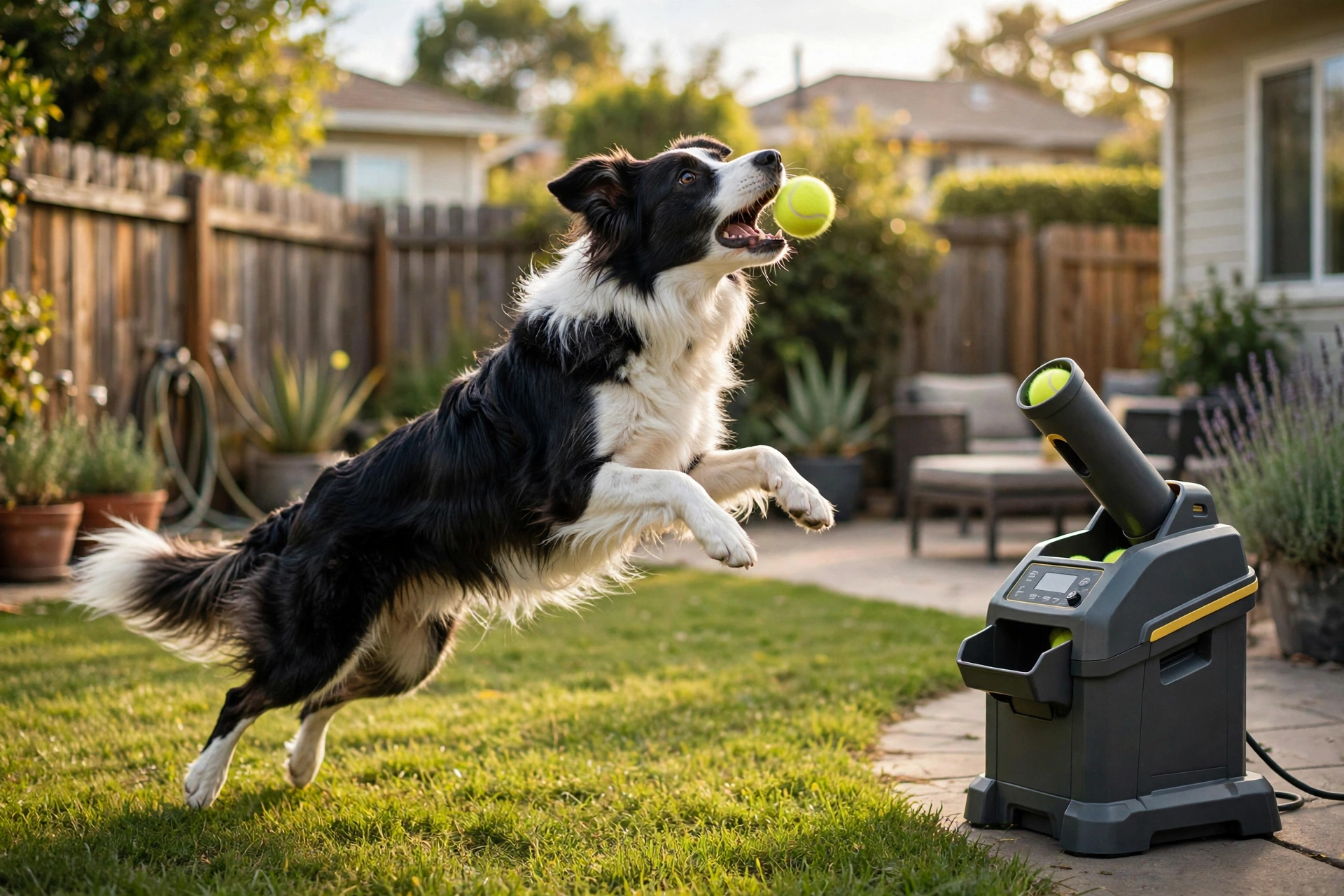
Automatic Ball Launchers for High-Energy Dogs
For the dog that would play fetch until your arm gives out: how automatic launchers work, who they suit, and the safety rules that matter.
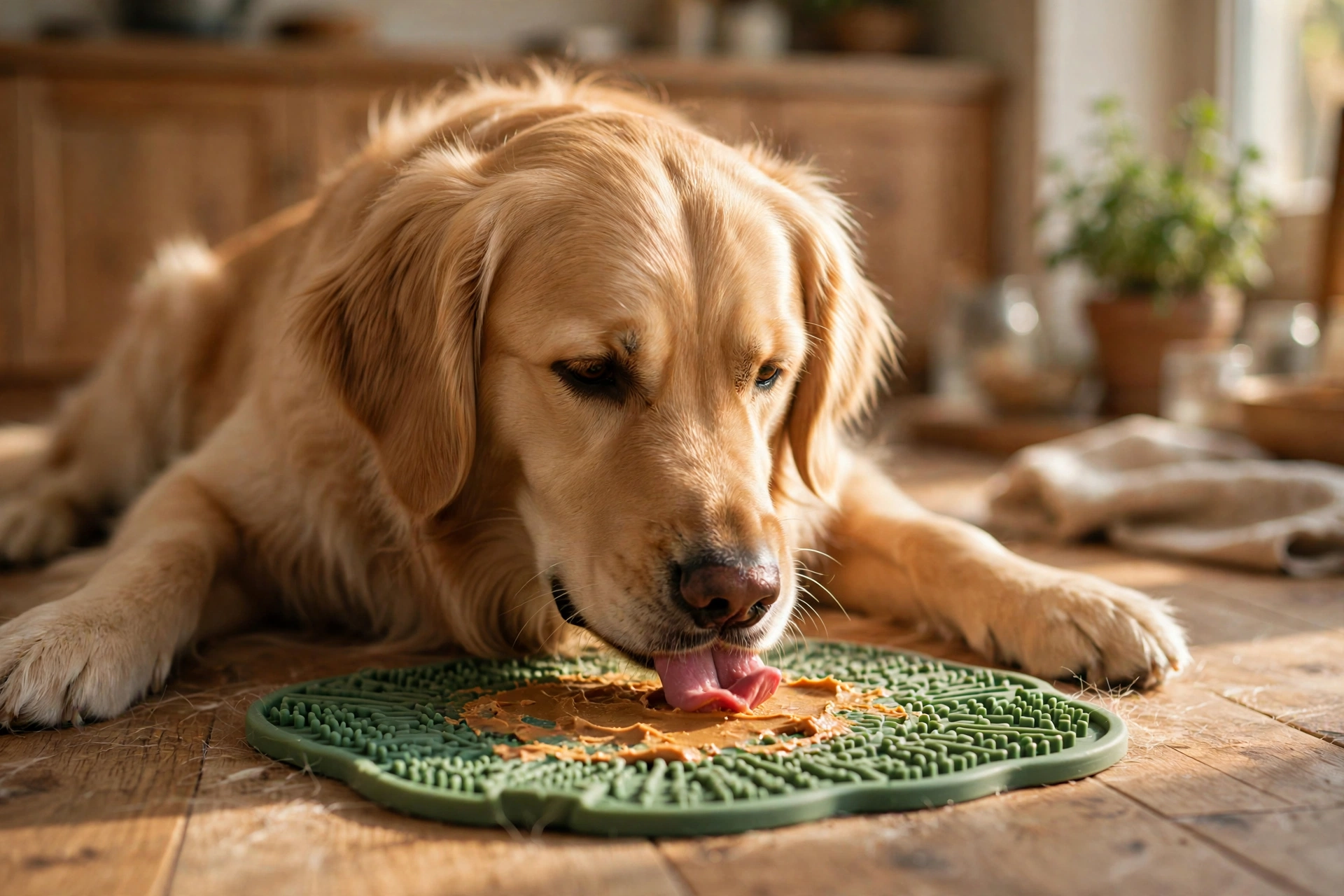
Lick Mats for Dogs: Calm Enrichment That Actually Works
A few dollars of textured silicone that buys calm on demand. How lick mats settle anxious dogs, what to smear on them, and why freezing is the best trick in the category.
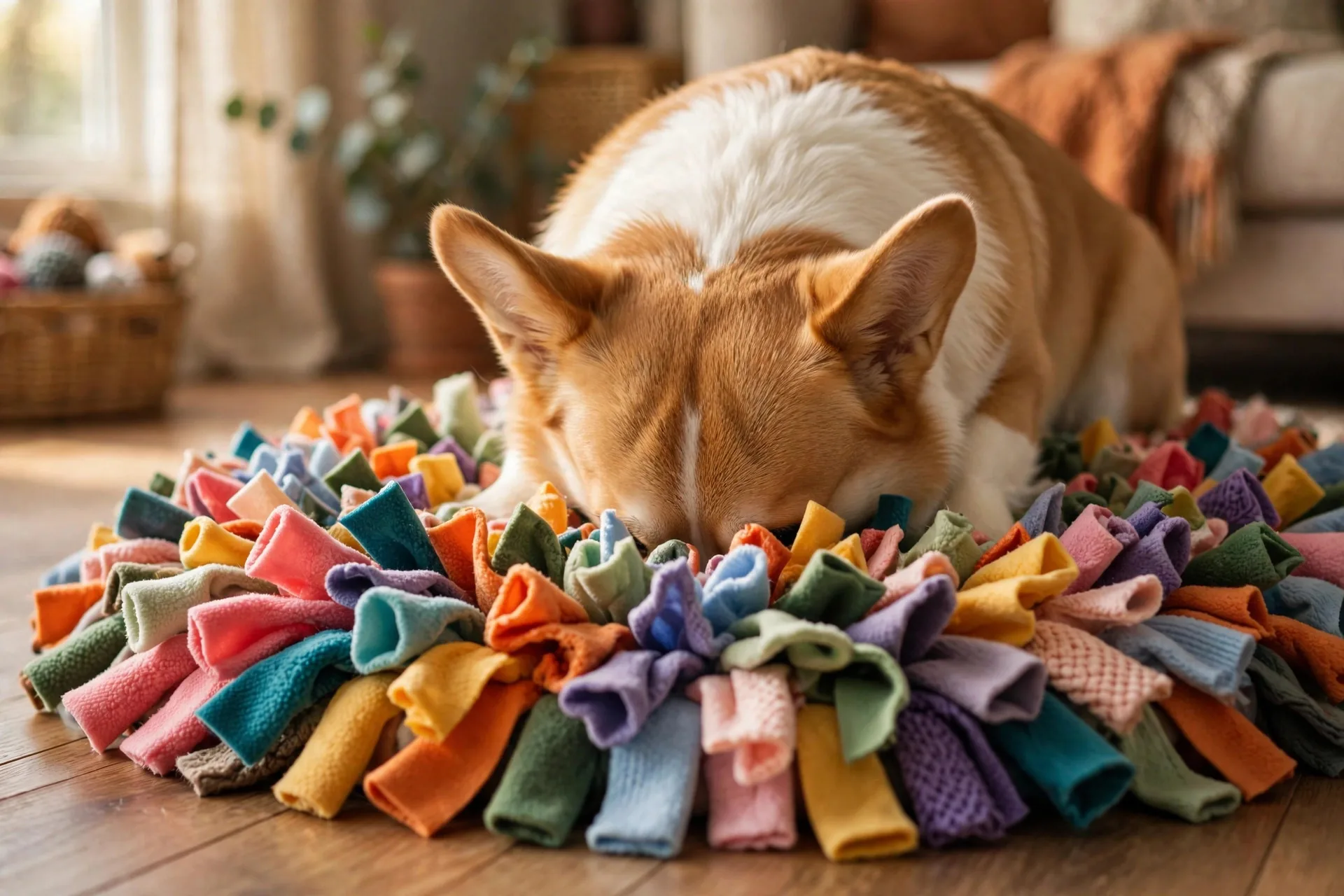
Snuffle Mats: Turning 10 Minutes of Sniffing Into a Tired, Happy Dog
Ten minutes of sniffing can do what an hour of fetch can't. How snuffle mats work, how to introduce one, and what to look for.