Quick verdict
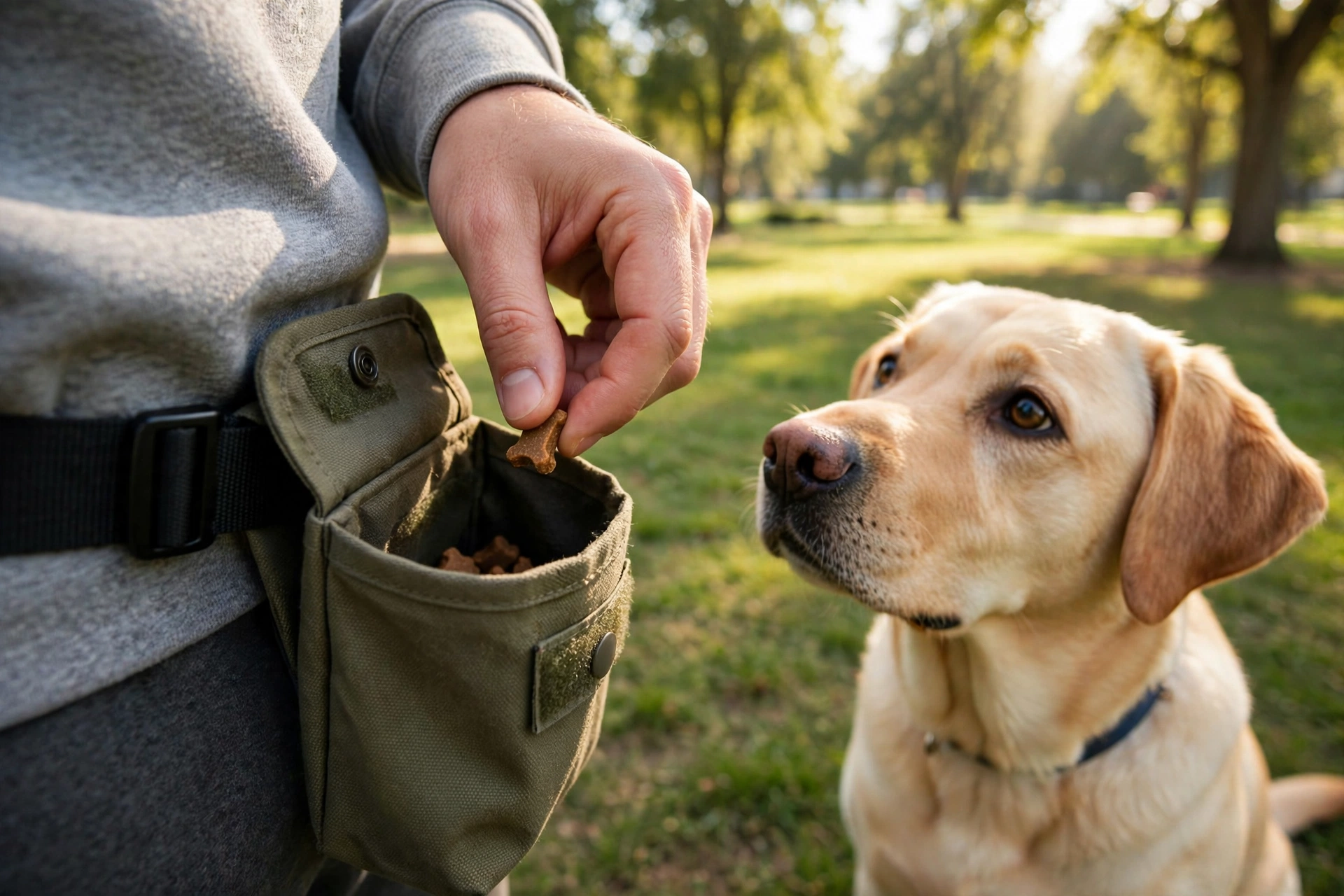
Ask a professional trainer what they wear on every session and the answer is almost always a treat pouch — not a pocket, not a baggie, a purpose-built pouch on the hip. The reason is timing: a reward delivered within two seconds of the behavior marks it correctly; a reward fished from a zipped jacket pocket at seven seconds marks confusion. A good pouch stays open, sits at your hand's natural resting place, and closes quickly when you don't want the dog self-serving. It's a small, cheap piece of gear that measurably improves training — one of the best value-to-impact ratios in dog ownership.
The real-life scenario
You're in the park working on recall with your adolescent lab. He actually comes — a genuine, voluntary, beautiful recall — and you reach into your coat pocket for the cheese. The pocket is zipped. The cheese is in the inner pocket. You fumble, the moment stretches, and by the time the treat arrives he's already sniffing a discarded sandwich wrapper forty feet away. The recall you wanted to reward just got rewarded three behaviors late, and the lesson he learned is unclear at best.
Trainers solve this with a pouch clipped to the waistband: hand drops to hip, treat is in the mouth before the dog has time to check out. The mechanics of training are really the mechanics of timing, and timing is a gear problem as much as a skill problem. You don't need talent to deliver a treat in under two seconds; you need the treats within twelve inches of your hand.
How it works
A treat pouch is a small bag worn at the waist or clipped to a belt, designed for one-handed treat access during training. The defining feature is the opening: a wide mouth with a stiffened rim or spring hinge that stays open while you work and snaps or cinches shut when you bend over (or when a clever dog tries to help itself). Good ones add a divider — treats on one side, a phone or clicker on the other — and a belt clip plus a waist strap option for joggers and dress-wearers alike.
Why not just a pocket? Three reasons trainers cite consistently. First, speed: an open pouch at hip height beats any pocket. Second, hygiene: pockets become a paste of cheese, hot dog, and lint that ruins jackets and, eventually, washing machines. Third, the dog learns the pouch means training is on — it becomes a contextual cue, like the leash means walk. Many trainers rotate two pouches: a big one for long sessions and a slim one for quick outings, because a pouch you leave at home helps nobody.
Materials are straightforward: water-resistant nylon or canvas shells, food-safe linings you can wipe or rinse clean. Based on published specifications, the better designs are machine-washable — a pouch that can't be washed becomes a science experiment within a month of real use.
What to look for before you buy
The opening: wide, stays open, closes fast. This is the whole product. Test the logic: can you reach in without looking, grab one treat (not five), and will it stay shut when you bend to clip a leash? Hinge or magnetic closures beat drawstrings for speed; drawstrings beat nothing.
Size versus your training style. Big pouches hold a full session's worth of treats plus a ball; slim pouches disappear under a jacket for real-world practice. If you're training a large food-motivated breed through long sessions, err bigger — refilling mid-session breaks flow. If the pouch is for daily walks with occasional rewards, slim wins.
Attachment options. A sturdy belt clip handles jeans and training belts; an included waist strap handles everything else (running shorts, dresses, no-belt days). Metal clips outlast plastic ones. If your training uniform includes a no-pull harness walk, the pouch rides fine alongside — hip gear and chest gear don't compete.
Washability and lining. Assume everything you put in it will be greasy, crumbly, or both. Removable or wipe-clean food-safe linings, machine-washable shells, and dark colors that hide stains — these are the specs that determine whether you still like the pouch in month six.
The anti-self-serve test. Smart dogs learn to nose into open pouches fast. A closure your dog can't defeat matters more than it sounds — a dog that successfully raids the pouch mid-session has just been rewarded for mugging, and good luck unteaching that.
Pooch Pouch by Dexas
Best for: Everyday training sessions, Trainers who want a wipe-clean pouch
- Wide stay-open mouth for fast one-handed treat access per manufacturer specs
- Food-safe, wipe-clean lining per manufacturer specs
- Belt clip plus optional waist strap per manufacturer specs
What we like
- Stays open during sessions, closes against self-serving
- Easy to rinse clean after greasy treats
- Light and unobtrusive on the hip
Tradeoffs
- Single main compartment — minimal organization
- Belt clip fits standard belts best
Based on published specifications · Last checked 2026-10-08
Go Stuff-It Dog Treat Bag by Kurgo
Best for: Long sessions needing treats plus gear, Walkers who carry phone and clicker too
- Large main compartment with divider for treats and gear per manufacturer specs
- Drawstring closure keeps treats secure when bending per manufacturer specs
- Belt clip and waist-belt attachment options per manufacturer specs
What we like
- Swallows a full session's treats plus phone and clicker
- Secure closure defeats pouch-mugging dogs
- Durable shell survives daily use
Tradeoffs
- Larger profile than slim pouches
- Drawstring closure is slower than hinge designs
Based on published specifications · Last checked 2026-10-08
FAQ
Can't I just use my pockets?
You can, and most of us start there. But pockets are slow (zippers, depth), they get destroyed (cheese paste in the lining, crumbs in the seams), and they teach the dog that hands-in-pockets means treats are coming — which is a cue you didn't intend. A pouch is faster, cleaner, and clearer. It's a small upgrade with an outsized effect on reward timing.
What treats work best in a pouch?
Small, soft, pea-sized treats your dog can swallow without chewing — training is about reps, and a dog crunching a biscuit for thirty seconds isn't learning. Soft commercial training treats, diced cheese, or cooked chicken all work. Avoid crumbly treats that disintegrate into pouch sludge, and size up slightly for large breeds that inhale pea-sized pieces without tasting them.
How do I stop my dog from mugging the pouch?
This is the number one pouch complaint and it's a training issue, not a gear issue. Reward the dog for ignoring the pouch — treat comes from the pouch only after the desired behavior, never for nosing it. A pouch with a secure closure removes the self-serve temptation while you train the manners. Don't hand-feed from the pouch to "calm" a mugger; that's paying the ransom.
Should the pouch be worn on walks or only in training sessions?
Both, with different loads. On training sessions, fill it — you're paying for reps. On regular walks, a small handful covers the moments worth marking: a voluntary check-in, a calm pass by another dog. Wearing it consistently also keeps the "training context" cue alive, which sharpens the dog's focus.
Belt clip or waist strap?
Clip for everyday trousers and jeans — fastest on and off. Waist strap (or threading it onto your belt) for running, training classes, and anything athletic where a clip might pop off mid-sprint. The best pouches include both, because your wardrobe varies more than your training schedule does.
The bottom line
A treat pouch is the cheapest meaningful upgrade a training owner can buy: it fixes reward timing, saves your pockets, and signals to the dog that it's time to work. Prioritize a wide stay-open mouth, a closure your dog can't beat, and washability — then fill it with pea-sized treats and go get your reps in.
More in Walk Gear
Dog Life Jackets: What Matters for Swimming Safety
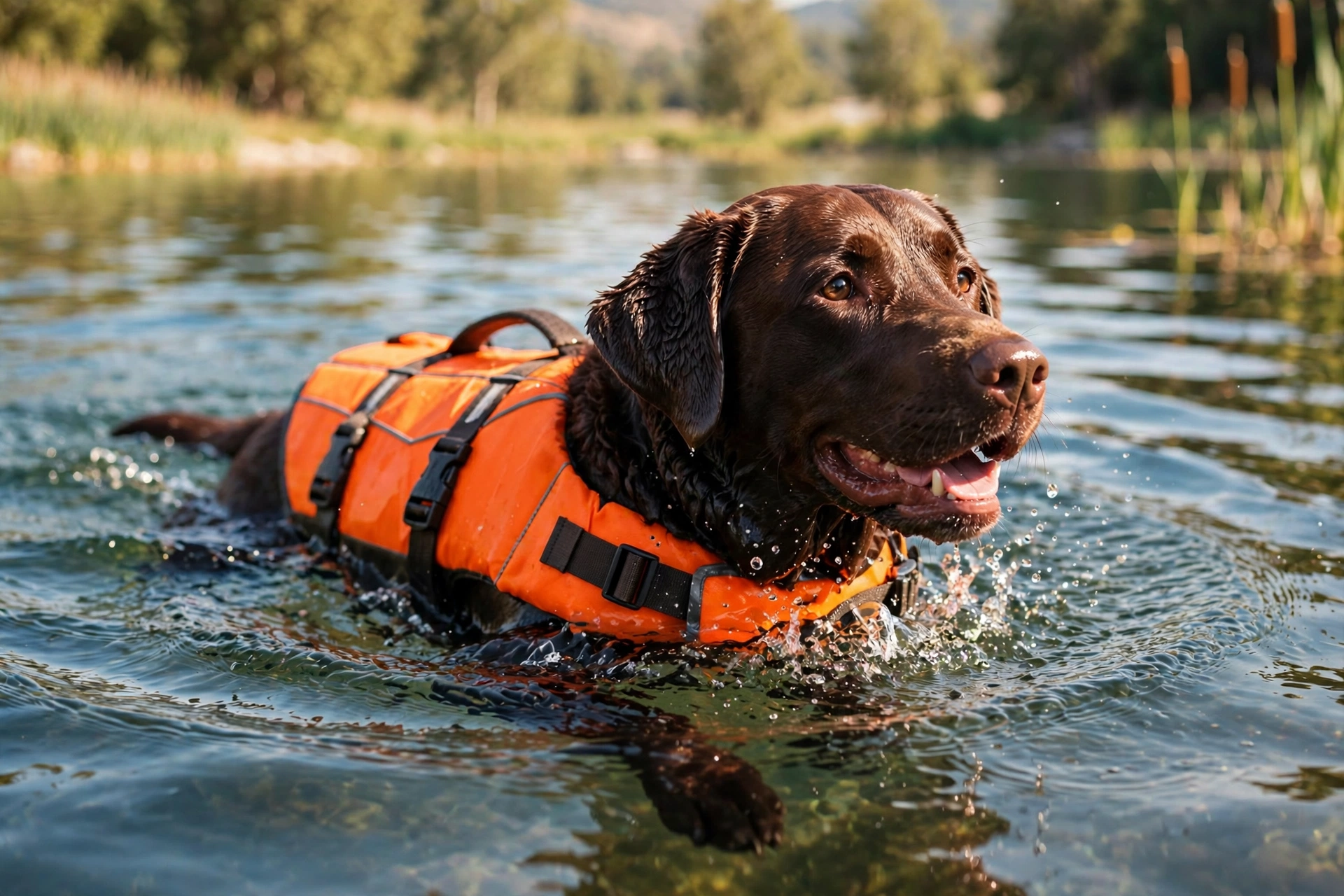
Most dogs can swim, but not all swim well. Fit, buoyancy distribution, and a sturdy grab handle are what separate a real life jacket from a costume.
Biodegradable Poop Bags and Dispensers
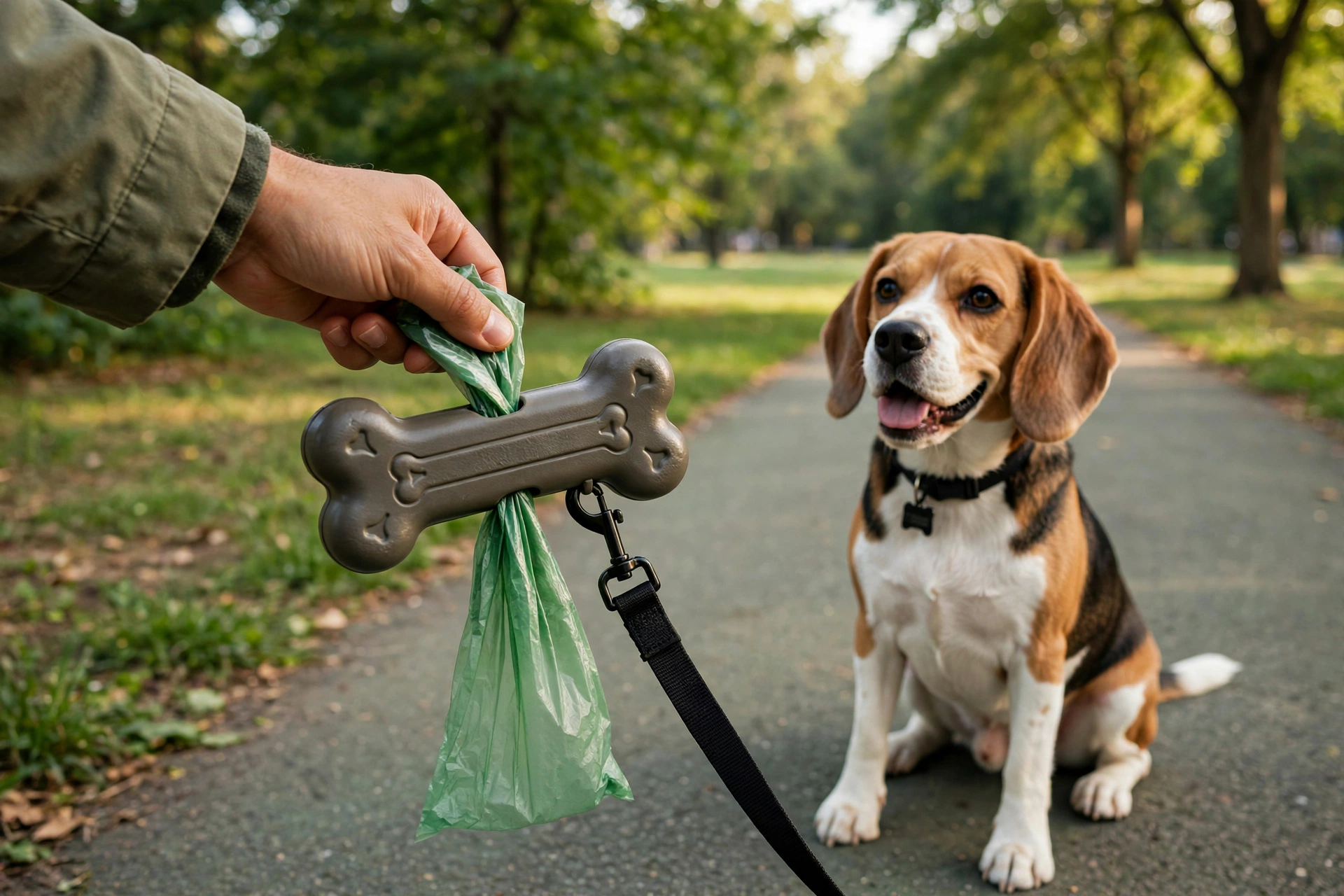
Certified compostable versus merely biodegradable, scented versus unscented, and the dispenser that keeps bags on the leash: the honest comparison for 700+ bags a year.
Dog Raincoats: Staying Dry on Wet Walks
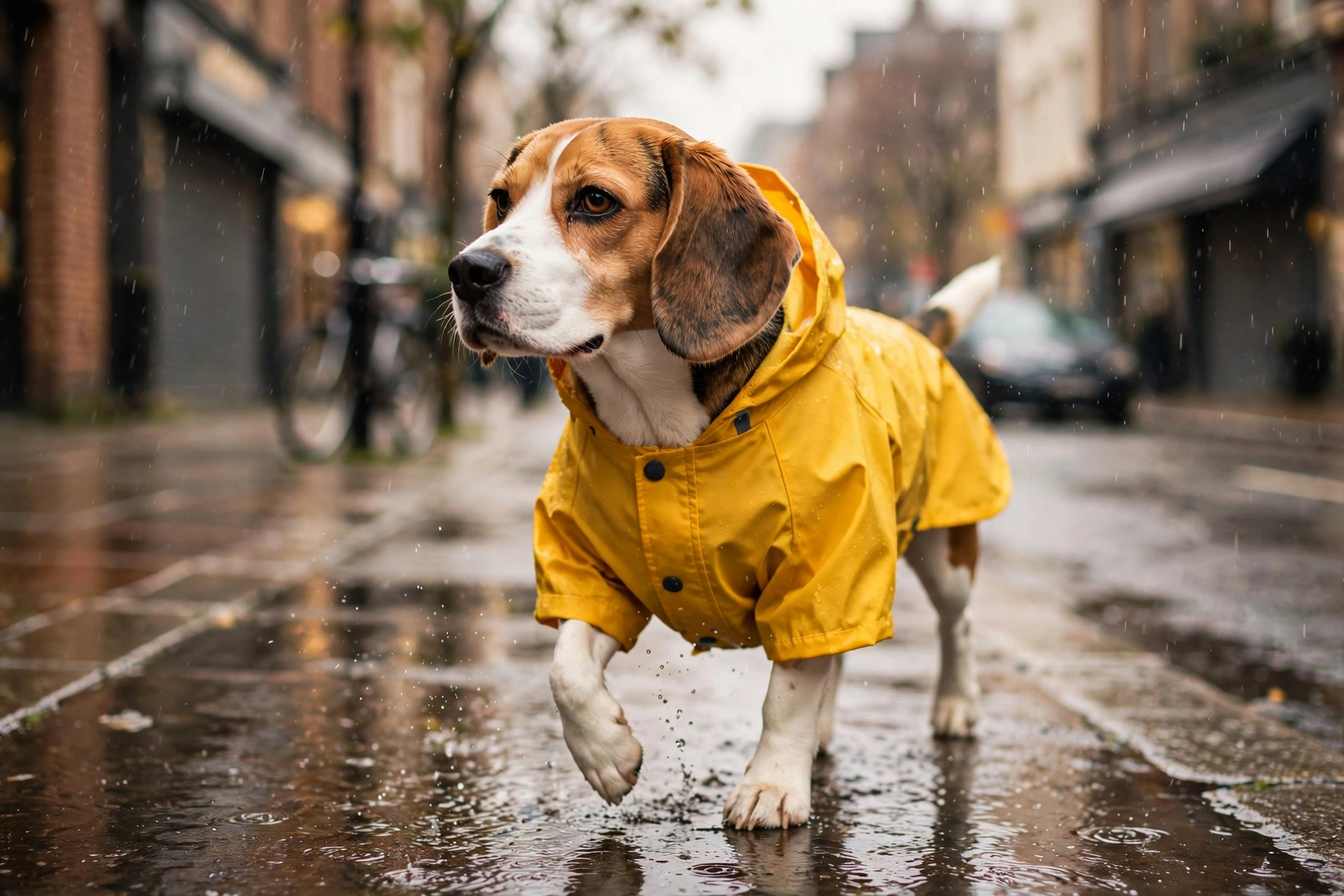
Belly coverage, leg freedom, and the right warmth level — what actually matters when choosing a raincoat your dog will forget it's wearing.