Quick verdict
A dog raincoat is one of those purchases you underestimate until the first rainy season with a dog who hates being wet — or worse, a dog who loves puddles and brings them all home. The right coat keeps the core and belly dry, which means less shivering, less smell, and dramatically less towel time at the door. Fit matters more than features: a coat that covers the belly without restricting the legs beats a fancy coat your dog refuses to walk in. For most dogs, a simple waterproof shell with a belly panel is the sweet spot; full-body suits are for the truly committed rain-lovers and the short-legged breeds.
The real-life scenario
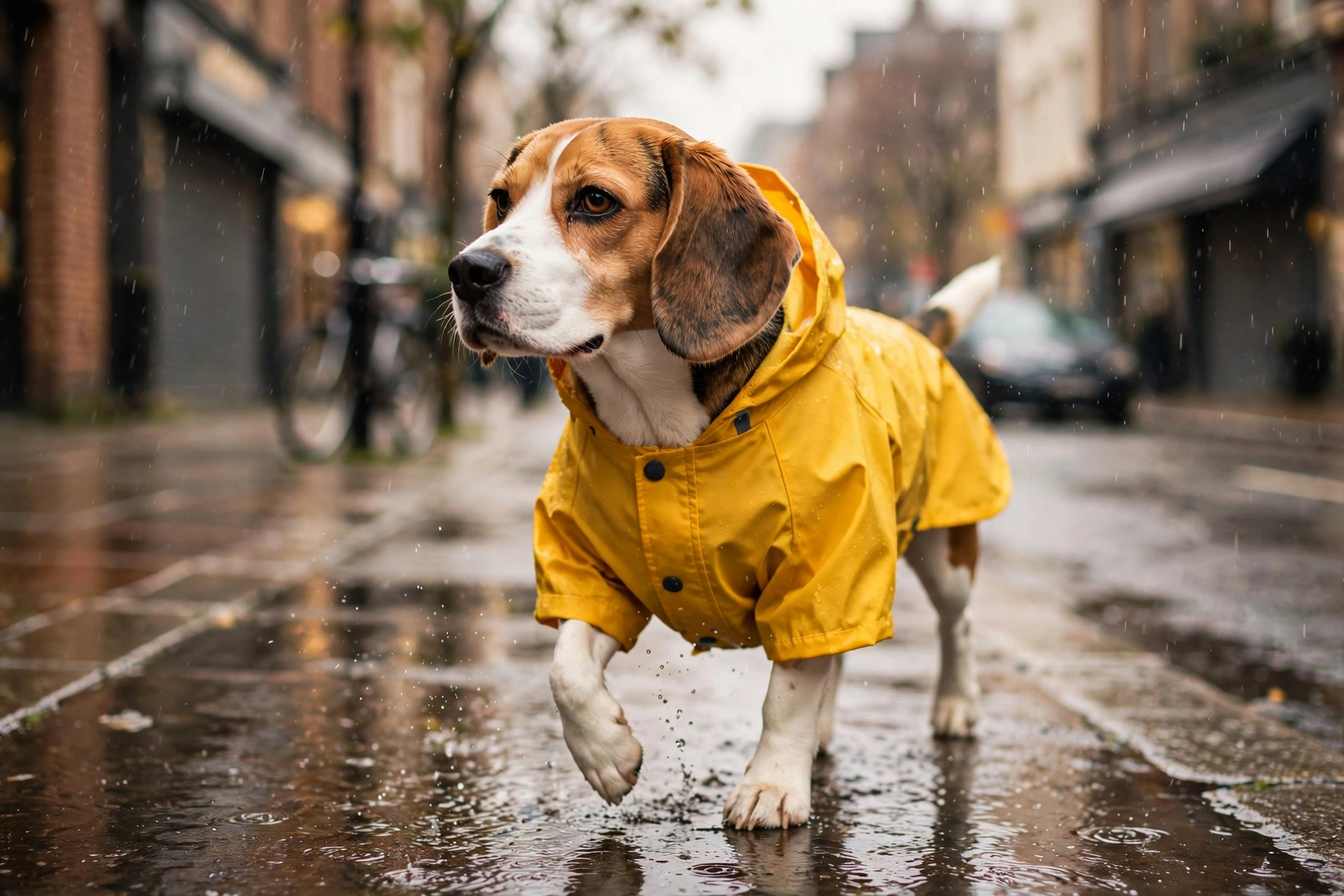
October. It's been drizzling since lunch, the dog has been giving you the look for an hour, and you finally cave. Twenty minutes later you're both back: your beagle is a shivering, mud-spattered ghost of himself, the hallway smells like wet dog, and you're spending ten minutes with a towel while he does his best impression of a rug. The walk was non-negotiable — skipping walks isn't fair to the dog — but the cleanup tax makes you dread every gray sky.
Then there's the other kind of dog: the one who sees rain as a lifestyle. Short legs, long belly, zero regrets about the deepest puddle on the block. For that dog, the raincoat isn't about comfort, it's about your sanity — a belly-covering coat is the difference between a two-towel aftermath and a quick shake-off. Either way, the raincoat solves the same problem: the walk happens, the wet doesn't come home.
How it works
A dog raincoat is a waterproof or water-resistant shell — usually with a sealed or taped-seam outer layer — that covers the back, sides, and ideally the belly. The mechanics are simple: rain hits the coat instead of the fur, and a DWR (durable water repellent) finish makes water bead and roll off rather than soak in. Better designs add a belly panel or leg straps so the underside — the part that catches splashback from the sidewalk — stays dry too.
Warmth is a secondary function. Rain itself rarely chills a healthy double-coated dog, but wind plus wet fur will make any dog shiver, and short-haired breeds like greyhounds, whippets, and boxers lose heat fast. That's why raincoats range from unlined shells (just dryness) to fleece-lined versions (dryness plus insulation). The manufacturer's cut matters more than you'd think: a coat that ends mid-back leaves the rear and tail soaked, which defeats the purpose for long-bodied breeds like dachshunds.
One honest note on waterproofing claims: "waterproof" versus "water-resistant" is a real distinction, per published specifications. Waterproof shells with sealed seams keep a dog dry in sustained rain; water-resistant coatings handle drizzle and give up in a downpour. If your walks happen rain or shine, favor the former.
What to look for before you buy
Coverage: belly first, length second. The number one thing a raincoat must do is cover the belly — that's where splashback and puddle spray land. Look for a generous underside panel or adjustable belly strap. Length should reach toward the tail base for full protection; a coat that stops at the mid-back is a fashion item, not rain gear.
Fit and leg freedom. Measure the back length (base of neck to base of tail) and chest girth, and check the manufacturer's size chart — breed-based sizing is a rough guess at best. The coat should stay put without a tight belly strap, and the leg openings must be loose enough that your dog walks normally. A dog that shortens its stride or freezes in a new coat is telling you the fit is wrong, not that it "needs to get used to it."
Leash and harness compatibility. Most quality coats have a leash portal or opening on the back for a harness clip. If you walk with a harness (many of us do), test that the portal lines up with your harness's D-ring before committing — a misaligned opening twists the coat with every step.
Warmth level. Unlined shell for mild-climate drizzle and double-coated dogs; fleece-lined for short-haired breeds and cold rain. Over-insulating a thick-coated dog in mild rain just makes them overheat — match the coat to your climate, not your anxiety.
Visibility and drying. Reflective trim earns its keep on dark winter evenings, and a coat that hangs-dries in a couple of hours (rather than staying clammy overnight) gets worn more. Machine-washable is non-negotiable — a raincoat that can't be washed becomes a smelly raincoat.
The wet season doesn't end at the coat, either. Rainy walks punish paws — grit, salt residue, and constant dampness between the toes — so pair this with our winter paw care guide, where the wet-pavement advice overlaps heavily.
Downpour Suit by Hurtta
Best for: All-weather walkers in sustained rain, Long-bodied and short-legged breeds
- Waterproof shell with sealed seams per manufacturer specs
- Adjustable back length, waist, and collar for a custom fit per manufacturer specs
- Leash opening on the back for harness use per manufacturer specs
What we like
- Genuine sealed-seam waterproofing, not just water resistance
- Extensive adjustability keeps it from shifting
- High collar protects the neck area
Tradeoffs
- Premium price tier for the category
- Full coverage takes a moment longer to put on
Based on published specifications · Last checked 2026-10-08
Torrential Tracker Jacket by Canada Pooch
Best for: City dogs caught in sudden downpours, Owners who want easy on/off
- Water-resistant shell with reflective piping per manufacturer specs
- Adjustable velcro neck and belly closures per manufacturer specs
- Packs into its own pocket for the bag per manufacturer specs
What we like
- Fast to put on — ideal for reluctant dressers
- Packs small enough to carry always
- Reflective details for dark evenings
Tradeoffs
- Water-resistant rather than fully waterproof — heavy sustained rain wins
- Sizing runs snug on deep-chested breeds; check the chart
Based on published specifications · Last checked 2026-10-08
FAQ
Does my dog actually need a raincoat?
Not every dog. Thick double coats (huskies, shepherds, Newfoundlands) shrug off rain, though even they appreciate belly coverage for mud. The dogs who benefit most: short-haired breeds, small dogs that chill quickly, seniors with arthritis (cold + wet = stiff joints), and any dog whose post-walk cleanup is ruining your relationship with rainy days.
How do I get my dog to accept wearing a coat?
Introduce it indoors with treats before the first rainy walk — coat on, treat, coat off, repeat, then a short happy walk in dry weather. Most dogs adjust in a day or two. If yours freezes or refuses to move, the fit is the first suspect: too tight across the chest or restricting the front legs. A good coat should be forgettable to the dog within minutes.
Full-body suit or simple shell?
Full-body suits with leg coverage are brilliant for deep-chested, short-legged mud magnets (dachshunds, corgis, bassets) and dogs that roll in wet grass. For everyone else, a well-cut shell with belly coverage handles 90% of rain. Suits take longer to put on and some dogs hate the leg sleeves — honest tradeoff.
Can the raincoat go in the washing machine?
Nearly all of them can, per the manufacturer — that's table stakes for this category. Wash cold, skip the fabric softener (it degrades water-repellent coatings), and hang dry. Re-treat the DWR coating occasionally with a spray-on waterproofer if beading stops.
My dog's raincoat soaks through in heavy rain — is it defective?
Probably not defective — probably water-resistant rather than waterproof. Check the product specs: if it says water-resistant and has unsealed seams, heavy rain was always going to win. For all-weather walkers, that's the signal to step up to a sealed-seam waterproof shell, which is built for exactly that.
The bottom line
A raincoat earns its place the first week the weather turns: shorter cleanup, a warmer dog, and walks that still happen when the sky says otherwise. Prioritize belly coverage and a fit your dog forgets it's wearing, buy the warmth level your actual climate demands, and treat it as one piece of the wet-weather kit alongside paw care.
More in Walk Gear
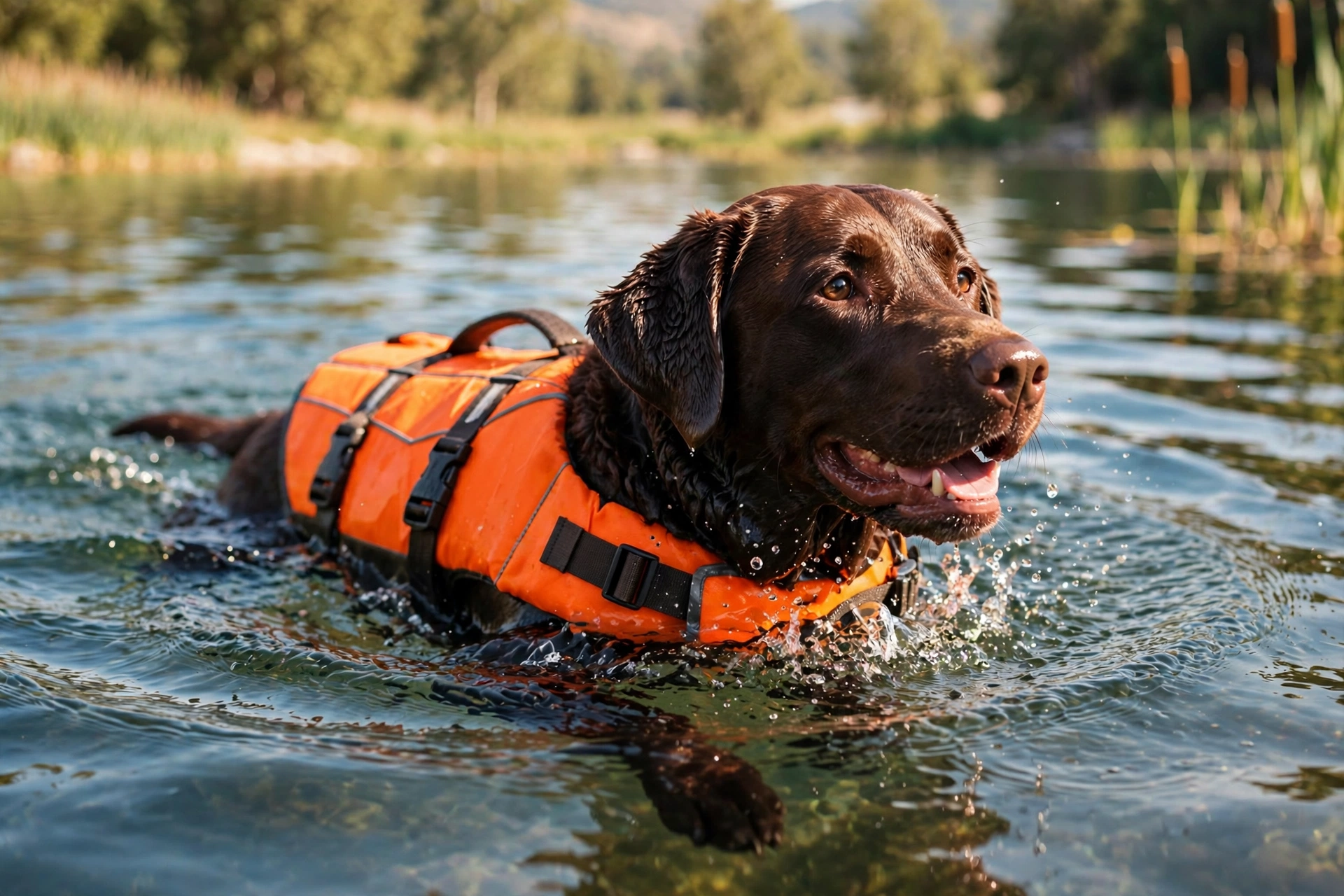
Dog Life Jackets: What Matters for Swimming Safety
Most dogs can swim, but not all swim well. Fit, buoyancy distribution, and a sturdy grab handle are what separate a real life jacket from a costume.
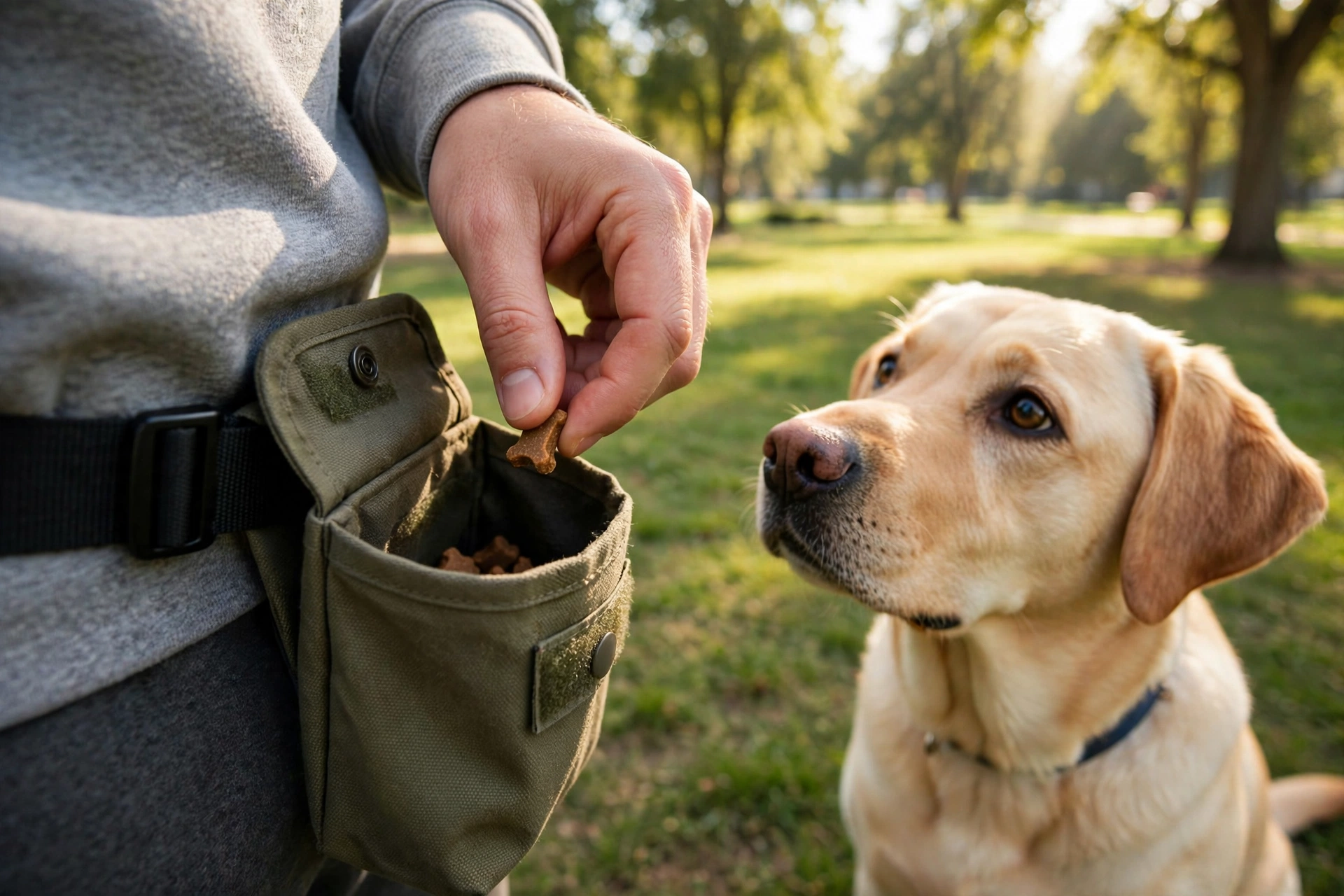
Treat Pouches for Training: What Trainers Actually Use
Trainers wear one on every session for a reason: a treat pouch fixes reward timing. What separates a good pouch from a pocket.
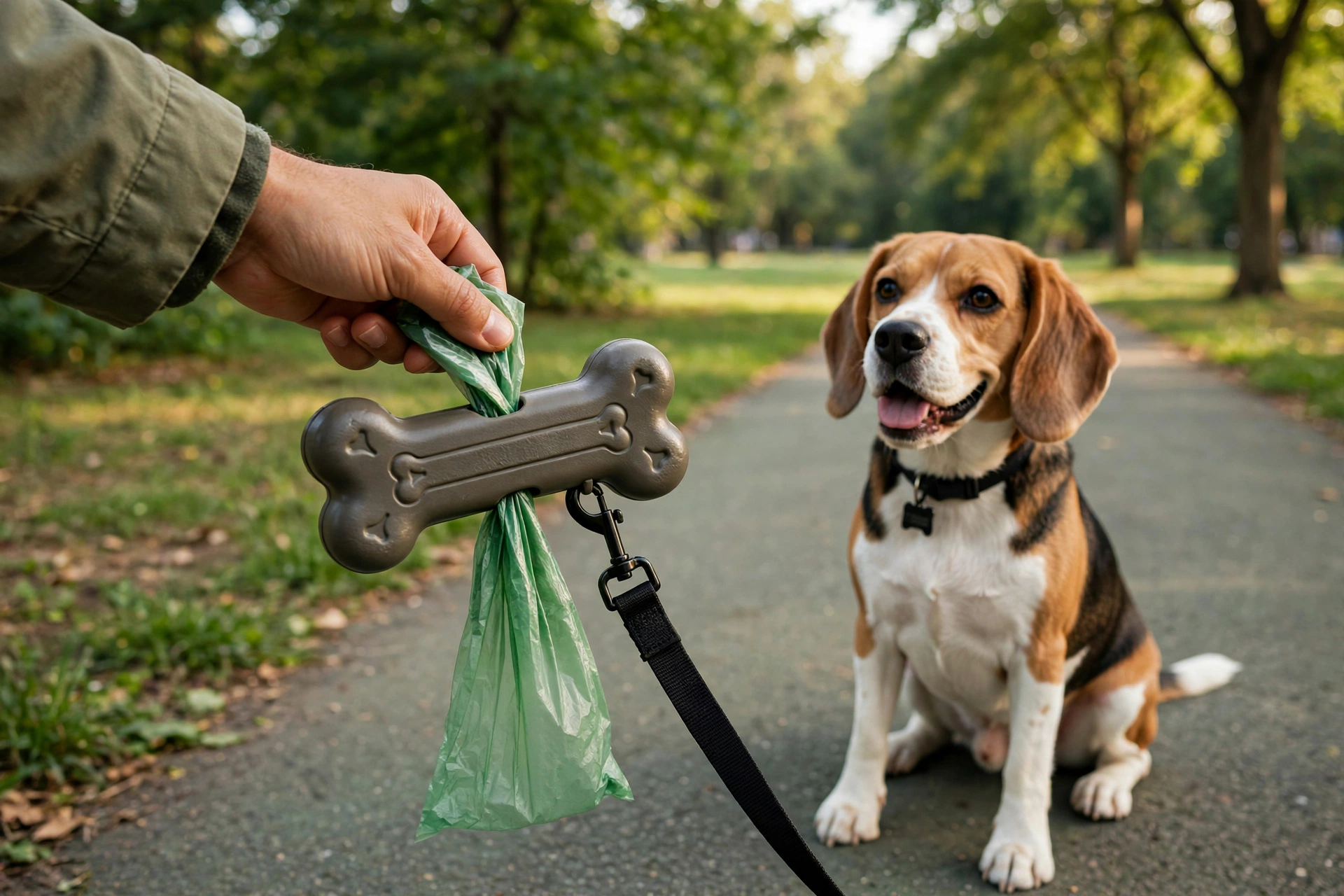
Biodegradable Poop Bags and Dispensers
Certified compostable versus merely biodegradable, scented versus unscented, and the dispenser that keeps bags on the leash: the honest comparison for 700+ bags a year.