Quick verdict
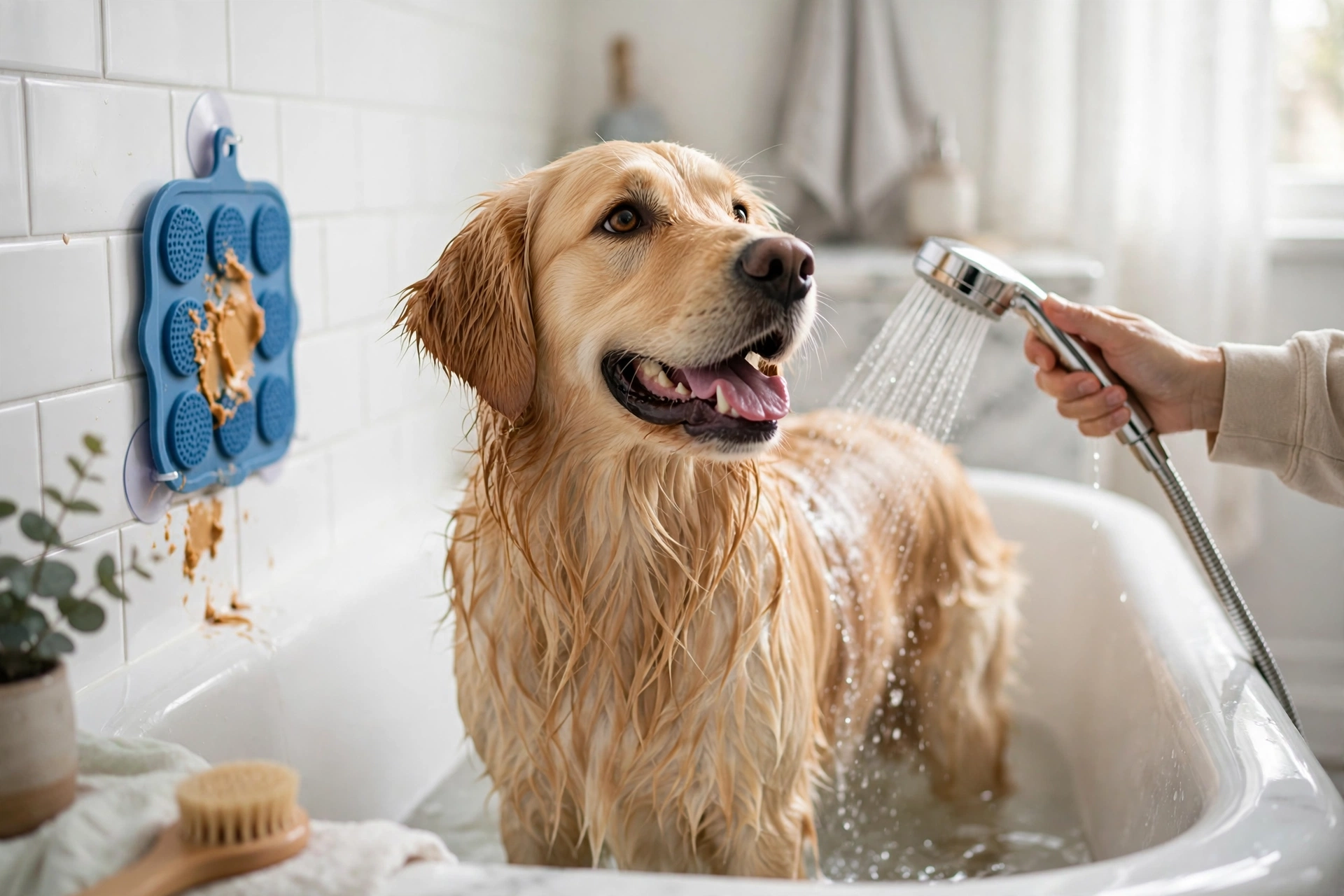
If bath time at your house is a wrestling match — a wet dog, a soaked floor, and a cup or jug that never quite reaches the belly — a shower attachment is the single best upgrade you can buy. A handheld sprayer with a gentle flow and a long hose rinses shampoo out in minutes, reaches the places a jug cannot, and uses far less water. Pair it with a lick mat stuck to the tiles and most bath-haters will stand still long enough for you to finish the job. You do not need a professional grooming setup: a basic diverter sprayer that fits your existing shower or tap, plus a suction-cup lick mat and a dog-safe shampoo, covers almost every home bath. The mistakes to avoid are simple — too much pressure, water that is too hot or too cold, and shampoo in the eyes and ears.
Why most home baths go wrong
Dogs rarely hate being clean. They hate the things that happen around the cleaning: cold water hitting them without warning, a noisy stream blasting their face, slippery feet, and being held still while a stranger — or their owner — pours water over them. A jug or a cup makes all of it worse, because it delivers a sudden splash, misses the undercoat, and takes forever to rinse out shampoo. The dog learns that baths are long, cold, and unpredictable, and the next bath starts with the dog hiding behind the sofa.
A shower attachment fixes the mechanics. Instead of splashes, the dog gets a steady, controllable stream. Instead of a ten-minute rinse, the shampoo comes out in two or three minutes. And because the sprayer is in your hand, you can keep the water on the body and away from the head, which is where most of the panic comes from. The lick mat handles the psychology: a dog that is licking is a dog that is standing still and thinking about something pleasant.
Types of shower attachments for dogs
There are four common types, and the right one depends mostly on where you bathe your dog.
Shower diverter sprayers. These replace or sit alongside your normal shower head and split the water between the fixed head and a handheld sprayer on a hose. They are the best option if you bathe the dog in the bath or shower, because the water is already at the right temperature and the sprayer is always there. Look for a model with a pause or flow-control button on the handle — it lets you stop the water while you lather without walking to the taps.
Tap and faucet adapters. These connect to a bath tap or a kitchen or utility sink, and are ideal for small dogs and puppies that you bathe in a sink or a basin. They are usually the cheapest option and need no tools, but check the fitting first: some taps, especially modern mixer taps with non-standard threads, need an adapter that may not be included.
Garden hose sprayers. For large dogs bathed outside in summer, a hose attachment with a gentle shower setting works well. The catch is temperature: garden water is cold, and even on a warm day a cold hose can shock a small or older dog. Use it only in genuinely warm weather, keep the pressure low, and never use a jet or pressure-washer setting on a dog.
Built-in pet shower systems. A few grooming brands sell all-in-one units with their own pump, hose, and sprayer that sit next to the bath. They are convenient and give very consistent pressure, but they cost far more than a diverter sprayer and are only worth it if you bathe a large or very dirty dog several times a month.
For most households, the shower diverter sprayer is the right starting point. If you rent and cannot change the shower head, a tap adapter is the fallback.
What to look for before you buy
Spray patterns. A good dog sprayer has at least two settings: a soft, wide shower for rinsing the body, and a narrower stream for legs, paws, and the belly. A single hard jet is a red flag — it is designed for cleaning tiles, not animals.
Pressure control. Dogs need low pressure. A sprayer with a thumb slider or a pause button matters more than any other feature, because it lets you turn the flow down for the chest and paws and off entirely while you lather. If your home water pressure is very high, a sprayer with a built-in restrictor or a separate flow valve is worth the small extra cost.
Hose length. Measure from the shower head to the far end of the bath, then add half a metre. A hose that is too short forces you to hold the dog in one spot and stretch to reach it; around 1.5 to 2 metres is right for most baths. A hose that is too long tangles around legs, so avoid going far beyond what you need.
Fittings. Check the thread size of your shower hose or tap before ordering, and keep the receipt. The most common frustration with these products is not the sprayer — it is a connector that does not fit, discovered only after the packaging is open.
Materials. Metal fittings last longer than plastic ones, and a hose that kinks easily will drive you mad within a month. Read a few user reviews specifically for leaks at the joints: a sprayer that drips constantly is worse than no sprayer at all.
The lick-mat bath setup
This is the part that turns a tolerable bath into an easy one. A lick mat is a flat rubber mat with a textured surface, designed to be smeared with something tasty so the dog licks it slowly instead of gulping. Many have suction cups on the back, so they stick to bath tiles or the side of the tub at the dog's head height.
Set it up before the dog gets in. Smear a thin layer of dog-safe peanut butter (check the label — it must be xylitol-free), plain yoghurt, or mashed banana across the mat, and stick it to the tiles where your dog can reach it comfortably while standing. For a dog that finishes too fast, freeze the smeared mat for an hour before bath time — it turns a thirty-second distraction into a five-minute one. Our lick mats guide covers spreads and safety in more detail.
Two rules. First, the lick mat is a distraction, not a restraint: never leave a dog alone with one in the bath, and take it away once the bath is over so it does not become a chew toy. Second, keep the smear thin. A thick layer of peanut butter is a lot of calories, and a dog with a sensitive stomach can pay for a bath-day treat later. If your dog has food allergies or pancreatitis, use a spread your vet has already approved.
A calmer bath, step by step
Before the water. Brush the coat first — wet tangles are far harder to get out than dry ones. Put a non-slip mat in the bath or shower so the dog is not sliding around, and get everything within arm's reach: shampoo, towels, the sprayer, and the lick mat already smeared and stuck up.
Wet the body, not the head. Start at the back and legs with lukewarm water — test it on the inside of your wrist, the way you would for a baby. Keep the sprayer close to the coat so the water lands softly instead of falling from a height. Leave the head until last, and rinse it with your hand or a damp cloth rather than the sprayer.
Lather and rinse. Use a shampoo made for dogs — human shampoo is formulated for a different skin pH and can dry a dog's coat out. Our dog shampoo guide explains which formulas suit sensitive skin. Massage the shampoo in, then rinse until the water runs clear and the coat no longer feels slippery. Leftover shampoo is one of the most common causes of itchy skin after a bath, and the sprayer earns its money here: a proper rinse takes two minutes with a sprayer and ten with a jug.
Dry properly. Towel-dry first, then let the dog shake — outside or in the bath, not in the middle of the living room. For long-coated dogs, a second towel and a gentle brush while the coat is still damp prevents the matting that wet fur loves to form.
What to skip
Skip high-pressure settings entirely — they hurt, and they drive water into ears. Skip spraying the face and ears directly; water in the ear canal is a classic route to an ear infection. Skip human shampoo, dish soap, and anything with a strong fragrance. Skip cold water for puppies, seniors, and small dogs, who lose body heat fast. And skip the idea that a bath has to be long: a quick, calm five-minute bath that ends with a treat beats a twenty-minute ordeal every time.
If your dog panics at the sound of running water, do not force it. Run the shower for a few seconds with the dog outside the bathroom, give a treat, and repeat over several days before the next bath. For dogs whose fear is about noise and handling rather than water itself, our anxiety vests guide explains pressure wraps and other calming tools that can help during stressful routines.
Tools that make bath day easier
You need very little beyond the sprayer: a lick mat for the distraction, a shampoo suited to your dog's skin, a non-slip bath mat, and two old towels. That is the whole kit, and it fits in a basket under the sink.
LickiMat Classic by LickiMat
Best for: Anxious eaters, Dogs that need mental stimulation at meals
- Textured surface for spreading soft foods per manufacturer specs
- Made from food-grade TPR
- Freezer and microwave friendly per manufacturer
What we like
- Turns meals into a calming licking activity
- Great vehicle for peanut butter, yogurt, pumpkin
- Easy to rinse clean
Tradeoffs
- Not a chew toy — supervise and remove when empty
- Thin surface can be punctured by determined chewers
Based on published specifications · Last checked 10/08/2026
Oatmeal & Aloe Shampoo by Earthbath
Best for: Itchy, sensitive skin
- Colloidal oatmeal and aloe per product specs
- Soap-free, pH-balanced for dogs per manufacturer
- Cruelty-free per brand claim
What we like
- Gentle enough for frequent baths
- Noticeably soothing for itchy dogs
- No harsh fragrances
Tradeoffs
- Premium price per ounce
- Scent is mild — not for fragrance lovers
Based on published specifications · Last checked 10/08/2026
Oatmeal Dog Shampoo by Burt's Bees
Best for: Budget sensitive-skin care
- Oatmeal and honey formula per product specs
- pH balanced for dogs per manufacturer
- Cruelty-free per brand claim
What we like
- Very affordable
- Mild and tearless-ish formula
- Widely available
Tradeoffs
- Thinner lather than premium shampoos
- Bottle size is modest
Based on published specifications · Last checked 10/08/2026
FAQ
How often should I bathe my dog?
For most dogs, once a month is plenty, and many do fine with less. Dogs that swim, roll in mud, or have a skin condition your vet is treating may need baths more often. Over-bathing strips the coat's natural oils and can make itching worse, not better.
Can I use the shower attachment on a puppy?
Yes, with the pressure turned right down and the water lukewarm. Puppies lose heat quickly, so keep the bath short, dry them thoroughly, and keep them warm afterwards. A sink adapter is often easier than a full shower for a very small puppy.
My dog still hates baths even with a lick mat. What else helps?
Slow the whole routine down: let the dog sniff the empty bath, give treats in the bathroom on non-bath days, and keep the first few sprayer baths to a quick rinse of the legs only. If the fear is severe or getting worse, talk to your vet or a qualified behaviourist before the next bath — a dog that is truly terrified is not being stubborn, and forcing it will only make the next bath harder.
The bottom line
A shower attachment is a small purchase that changes bath day out of all proportion: faster rinsing, less water, less mess, and a dog that is wet rather than traumatised. Add a lick mat and a shampoo made for dogs, keep the pressure low and the water warm, and most bath-haters become at least willing participants. Start with a diverter sprayer that fits your shower, and you will wonder why you spent so long with a jug.
More in Grooming & Care
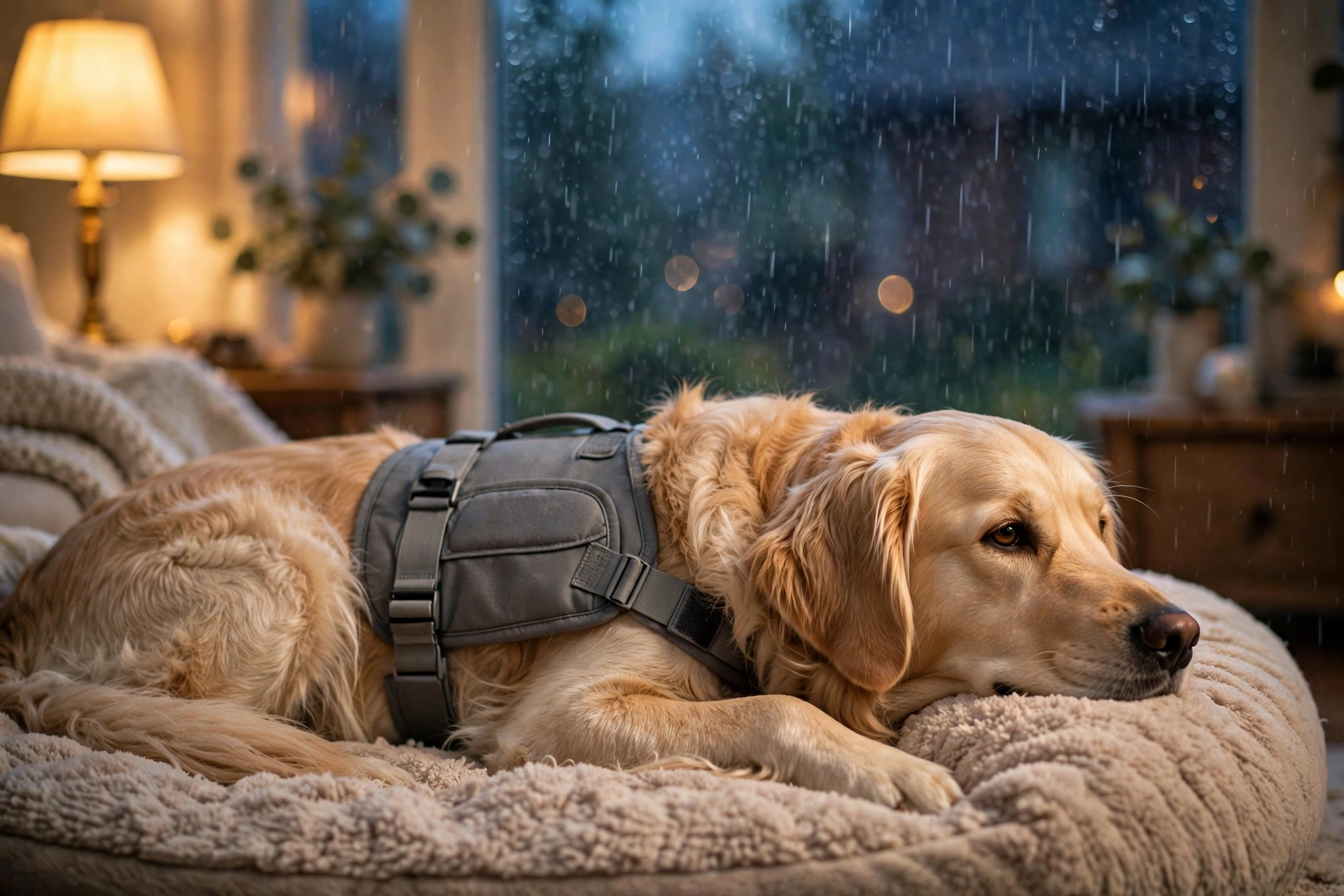
Dog Anxiety Vests and Pressure Wraps: Do They Actually Calm a Nervous Dog?
A pressure wrap can take the edge off a nervous dog's stress, but it is a support tool, not a cure. Evidence, fit and honest testing, plus the wider calm-down plan it belongs in.
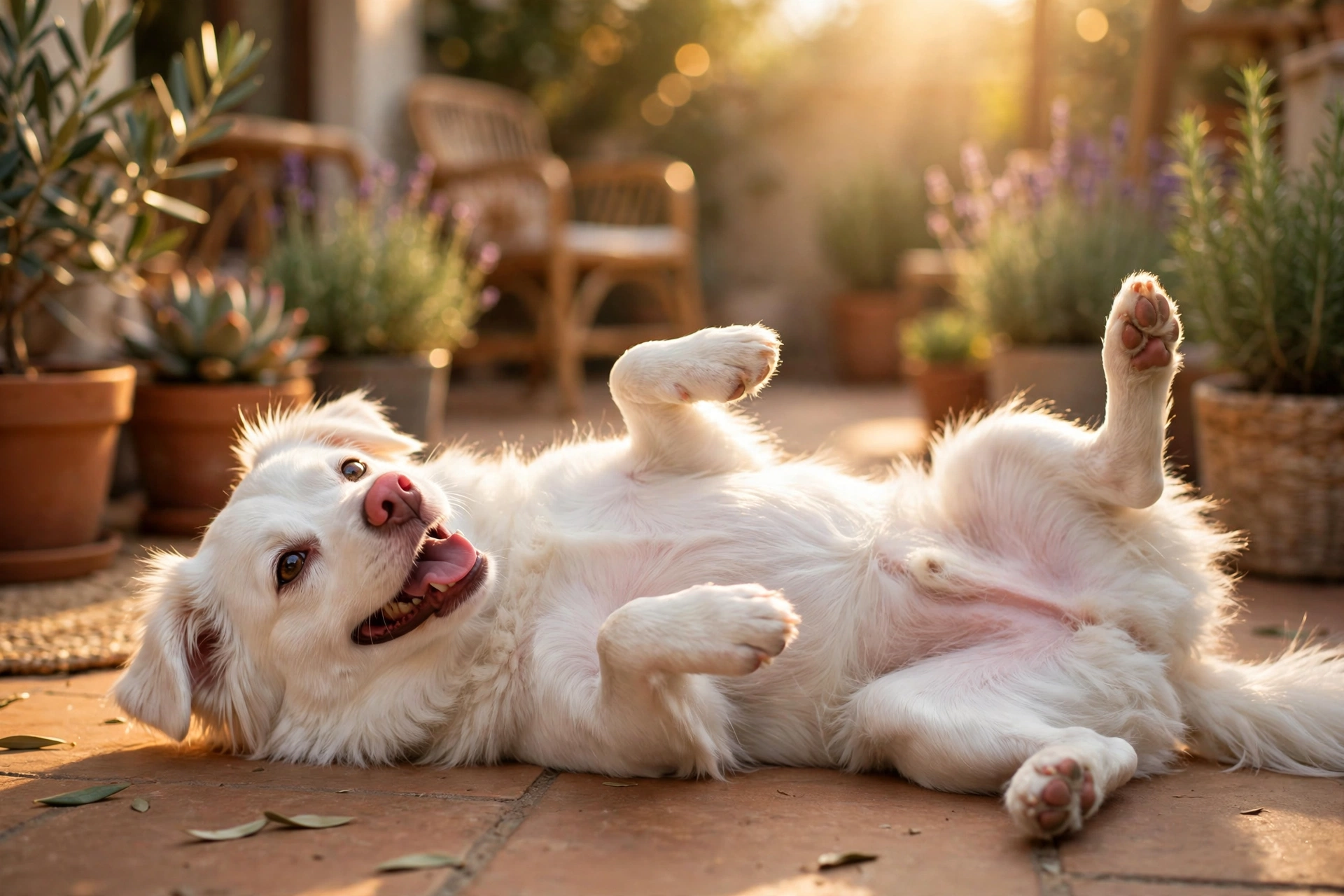
Dog Sunscreen: Which Dogs Actually Need It (and What Never to Use)
Most dogs don't need sunscreen — but white, thin-coated and hairless dogs do, and human sunscreen is unsafe for them. Which dogs are at risk, what to look for in a dog formula, and how to apply it so it survives the licking.
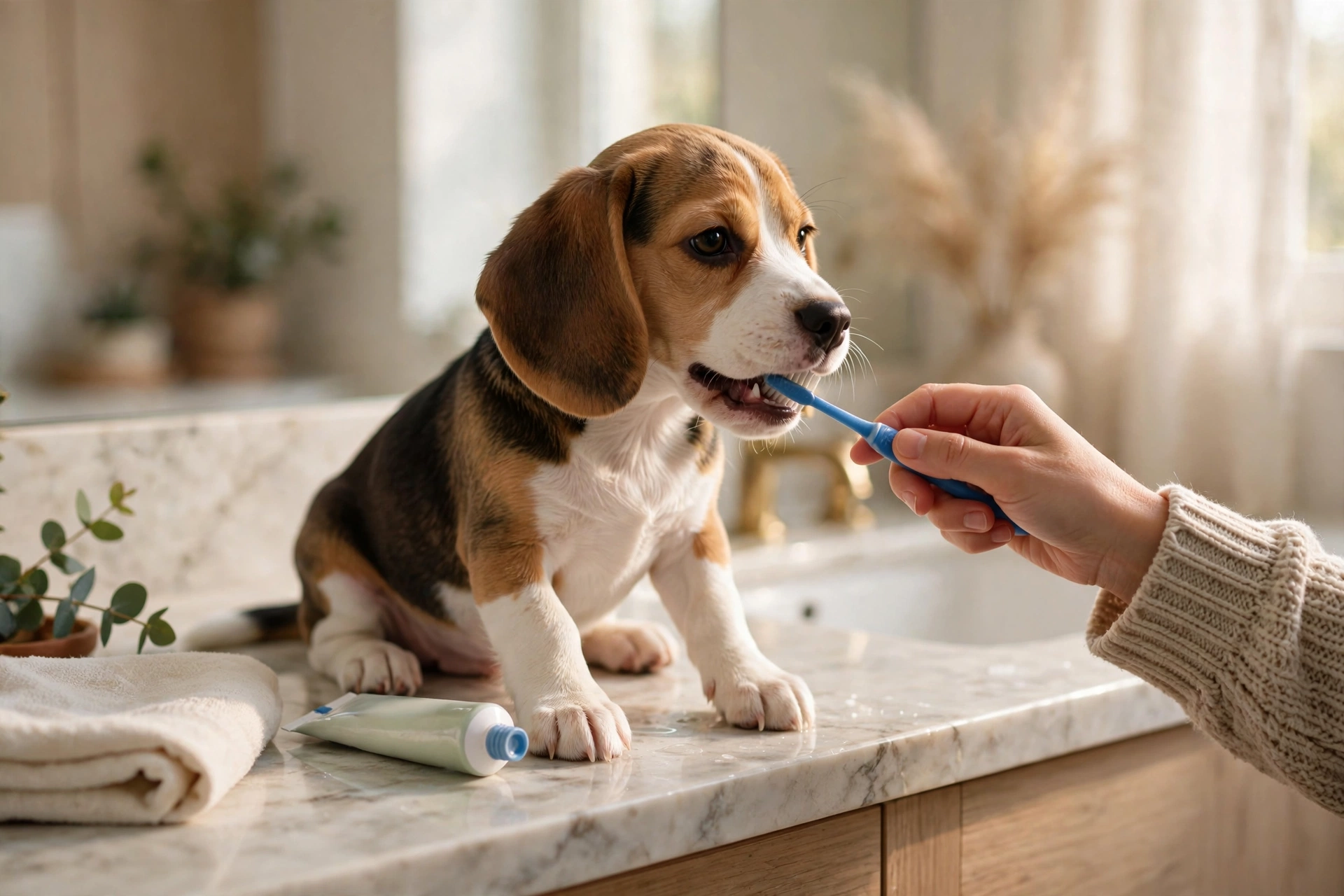
Dog Dental Care: Toothbrushes vs. Dental Chews
Brushing removes plaque directly; chews win on compliance. We compare toothbrushes and dental chews honestly — and explain why most households should use both.