Quick verdict
Shedding season — that twice-a-year fur storm when double-coated dogs "blow" their undercoat — is best fought with a proper deshedding tool, not a regular brush. These tools reach past the topcoat and pull out loose undercoat before it reaches your couch. Use them gently, on the right coat type, and never on wet fur. For short-coated breeds and quick furniture touch-ups, a simpler grooming rake does the job with less risk of overdoing it.
The real-life scenario
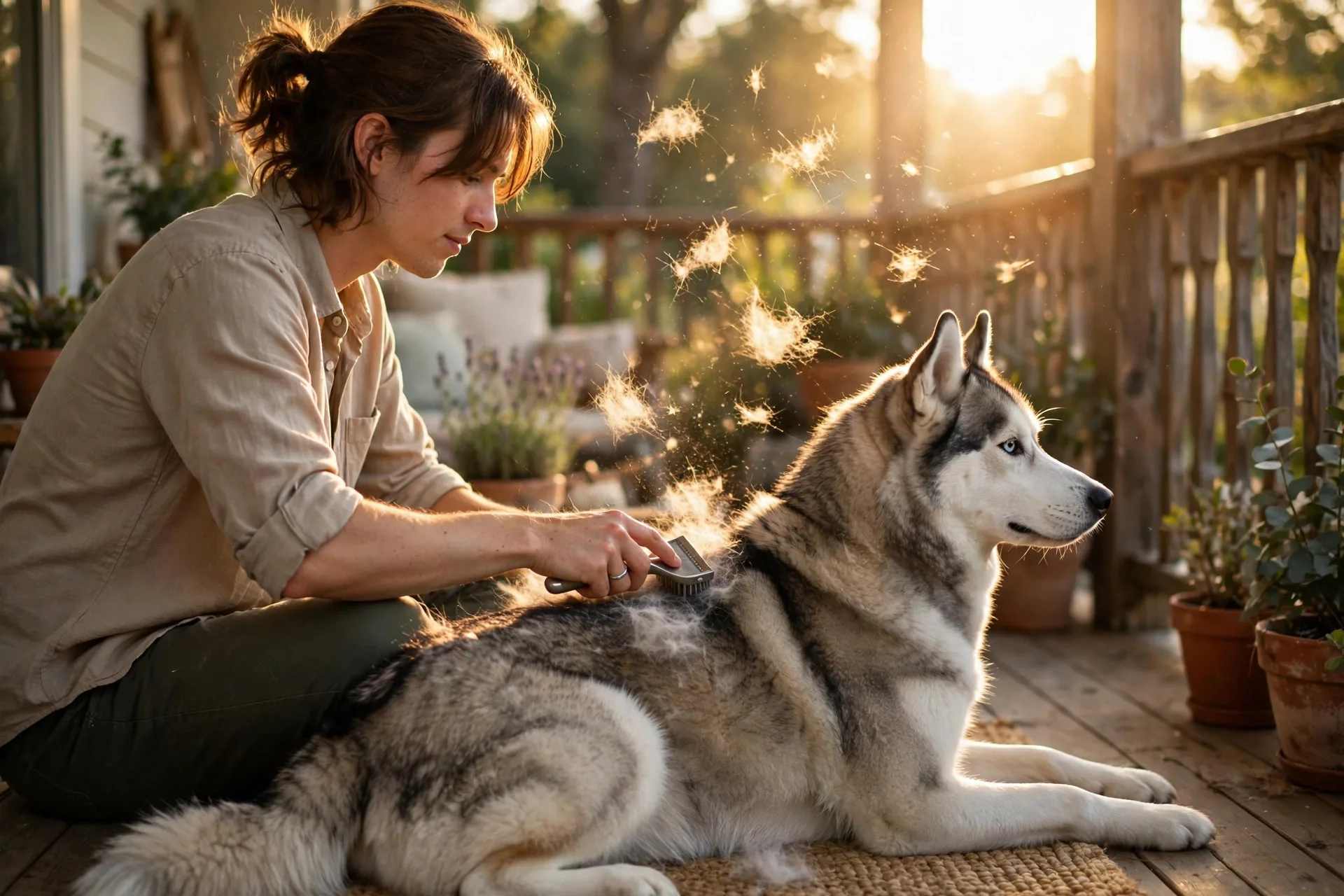
It's the third week of April. You vacuumed on Saturday. It's now Tuesday, and the living room rug looks like it's growing its own husky. You pet your dog and your hand comes away with enough fur to knit a sock. Your black leggings have a permanent gray aura. The lint roller is empty — it has been empty since Thursday, and you keep forgetting to buy refills.
This is coat blow: the seasonal undercoat release that double-coated breeds — huskies, shepherds, labs, golden retrievers — go through each spring and fall. A regular brush skims the surface. What's actually coming out is the dense, fluffy undercoat beneath, and it needs a tool designed to reach it.
How it works
A deshedding tool has a fine, stainless-steel edge — teeth set close together — that slides through the topcoat and catches the loose, dead undercoat hair underneath. One long, gentle stroke can pull out a startling drift of fluff that a bristle brush would never touch. The category's reference design is the FURminator Undercoat deShedding Tool, which pairs the steel edge with a button that pushes the collected hair off the blade so you're not picking at it with your fingers.
The point is removal before the shed: every handful of undercoat you lift in the yard is a handful that doesn't end up woven into your rugs, your car seats, and your dinner. During peak blow, owners of heavy shedders often see a visible reduction in household fur within a week of regular sessions. That's also why the house still needs help — washable, mud-proof rugs and regular vacuuming do the heavy lifting on what's already down; our washable rugs guide covers the flooring side of the battle.
How often depends on the coat. During peak shedding, short sessions two or three times a week are plenty for heavy shedders. Off-season, once every week or two keeps things manageable. Always work in the direction of hair growth, with light pressure — the tool's edge does the work, not your arm.
What to look for before you buy
Match the tool to the coat. Deshedding tools come in sizes and edge lengths for short vs. long hair. A long-hair edge on a short coat can scrape skin; a short-hair tool on a husky coat won't reach the undercoat. Check the manufacturer's sizing against your dog's actual coat length, not just their weight.
Respect the overuse risk. This is the single most important safety note: the steel edge that makes these tools effective also makes them easy to overuse. Repeated strokes in one spot, pressing hard, or using them daily for weeks can irritate skin and thin the coat unevenly. Gentle, limited sessions; move the tool along; stop when you're mostly pulling clean strokes.
Not every dog qualifies. Deshedding tools are designed for dogs that actually shed an undercoat. On non-shedding breeds (poodles, bichons), very short coats, or dogs with skin conditions, the tool can do more harm than good — it can damage the coat or irritate skin. If your dog's coat is short and single-layered, skip the heavy edge and use something gentler.
Consider the simpler option. For short-coated dogs — labs, beagles, boxers — a simpler tool like the SleekEZ Grooming Tool often makes more sense. Its wave-pattern edge lifts loose hair and dander with no learning curve, and it doubles as a furniture de-furrer for the couch that's already coated. Less effective on long, thick undercoats, but nearly foolproof for short coats.
Ease of cleaning matters. A tool that collects hair needs to release it. Hair-release buttons, removable edges, or designs that shed hair with a tap keep the session flowing. You'll appreciate this detail about four minutes into your first use.
The FURminator remains the standard for heavy shedders — huskies, shepherds, labs in full blow — while the SleekEZ is the pick for short-coated dogs and quick touch-ups on both dog and furniture. Two different coats, two different tools.
Undercoat deShedding Tool by FURminator
Best for: Heavy shedders (huskies, labs, shepherds)
- Stainless steel deShedding edge per manufacturer specs
- FURejector button for hair release
- Ergonomic handle
What we like
- Pulls astonishing undercoat in one session
- Reduces loose hair around the house
- Multiple sizes by coat length
Tradeoffs
- Easy to overuse — can irritate skin if pressed hard
- Not for non-shedding or very short coats
Based on published specifications · Last checked 2026-10-08
Grooming Tool by SleekEZ
Best for: Short-coated dogs and furniture touch-ups
- Patented wave pattern blade per manufacturer specs
- Works on coats and upholstery
- No batteries or parts
What we like
- Dead simple — no learning curve
- Doubles as a furniture de-furrer
- Very affordable
Tradeoffs
- Less effective on very long coats
- No hair-release button
Based on published specifications · Last checked 2026-10-08
FAQ
When exactly is shedding season?
Most double-coated dogs blow their undercoat twice a year — spring and fall — as daylight changes trigger coat turnover. Indoor dogs with climate-controlled lives may shed more continuously. The big seasonal dumps are the ones that clog your vacuum; that's when deshedding tools earn their keep.
Can I use a deshedding tool on wet fur?
No. Work on clean, dry fur only. Wet or matted coats tangle in the fine edge, and pulling through tangles hurts the dog and damages the coat. If your dog needs a bath, bathe first (our sensitive-skin shampoo guide covers gentle options), dry fully, then deshed.
How do I know if I'm overdoing it?
Signs include red or irritated skin where you worked, the coat looking thin or uneven, or your dog flinching from strokes they used to tolerate. Scale back immediately — lighter pressure, fewer strokes per spot, longer intervals. The goal is loose undercoat, not a new haircut.
Will deshedding stop my dog from shedding entirely?
No tool stops shedding, and you shouldn't want one to — shedding is healthy coat turnover. What deshedding does is move the shed from your house to the trash bin. Expect dramatically less loose fur around the home, not a fur-free dog.
My dog hates being brushed. Any tips?
Keep sessions short — five minutes beats a wrestling match. Treat between strokes, work when the dog is already calm (post-walk works well), and stop before the dog decides it's over. Over weeks, most dogs learn that gentle deshedding sessions predict treats, and the grumbling fades.
The bottom line
Shedding season is won in the yard, not on the couch: a proper deshedding tool, used gently on dry fur a few times a week, pulls the undercoat out before it becomes household decor. Match the tool to the coat, respect the overuse risk, and pair it with washable rugs for the fur that's already there. Your lint roller budget will finally recover.
More in Grooming & Care
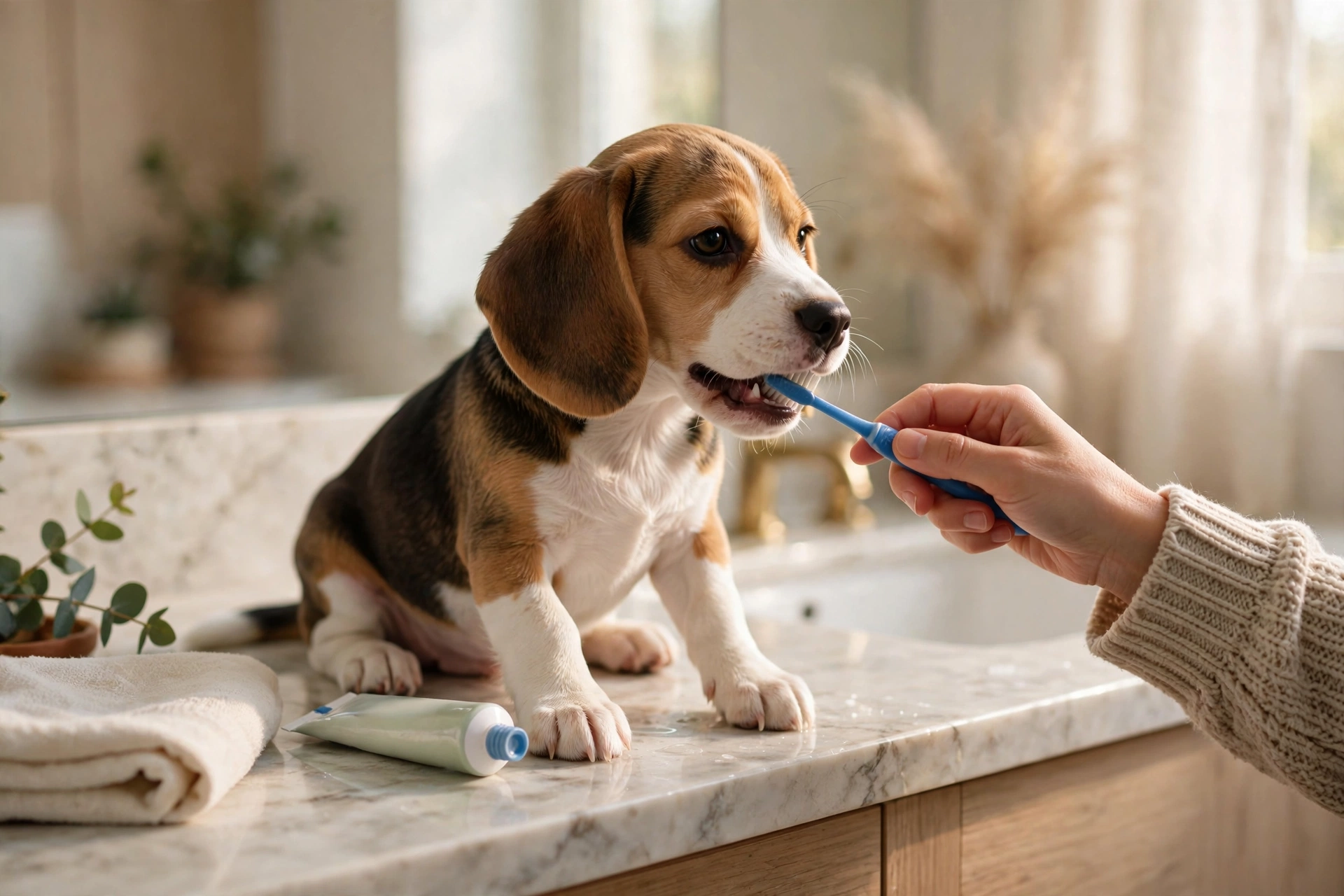
Dog Dental Care: Toothbrushes vs. Dental Chews
Brushing removes plaque directly; chews win on compliance. We compare toothbrushes and dental chews honestly — and explain why most households should use both.
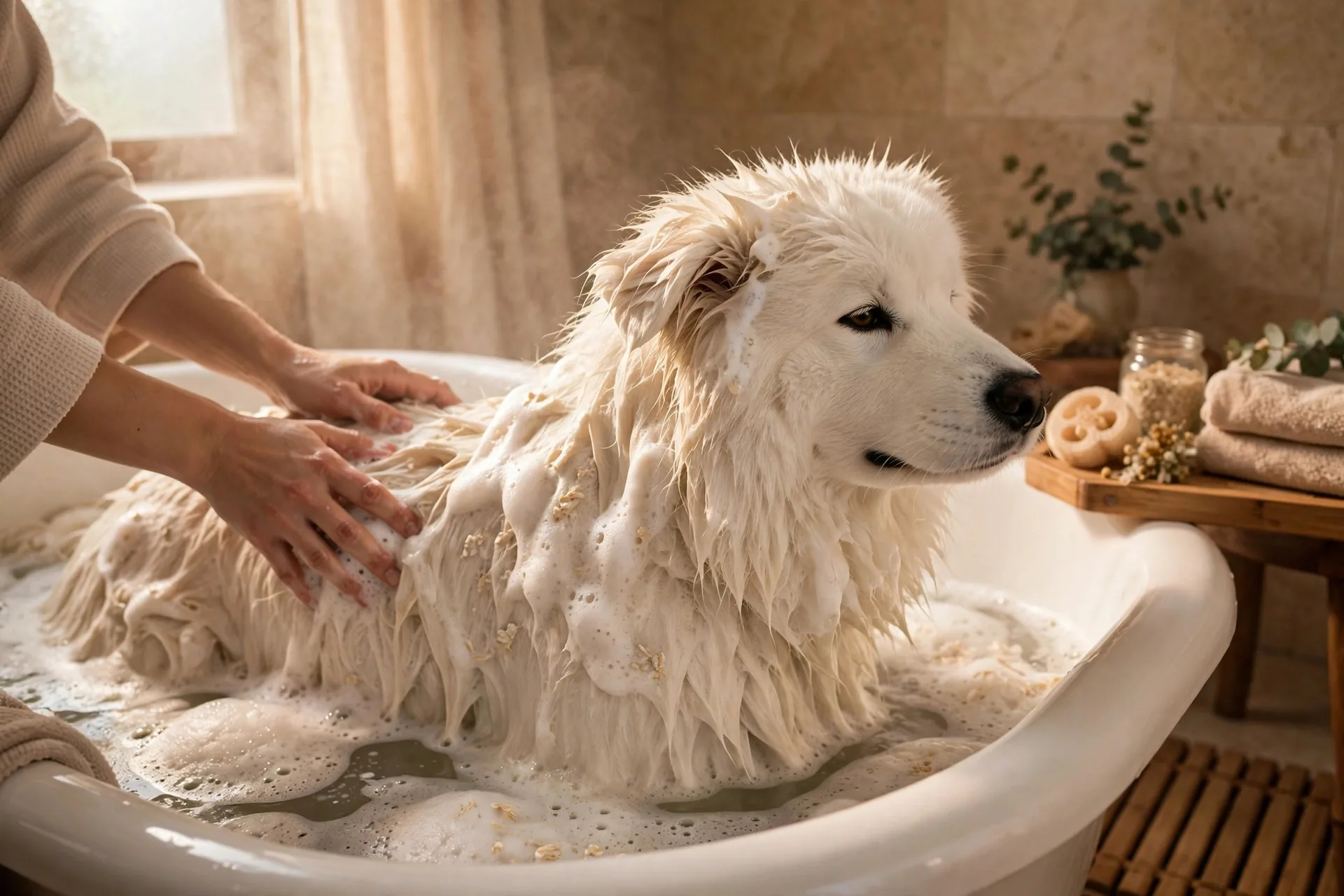
Dog Shampoos for Sensitive Skin: Ingredients That Matter
Oatmeal, aloe, pH balance — how to read a dog shampoo label, which ingredients soothe itchy skin, and when itching is a vet visit.
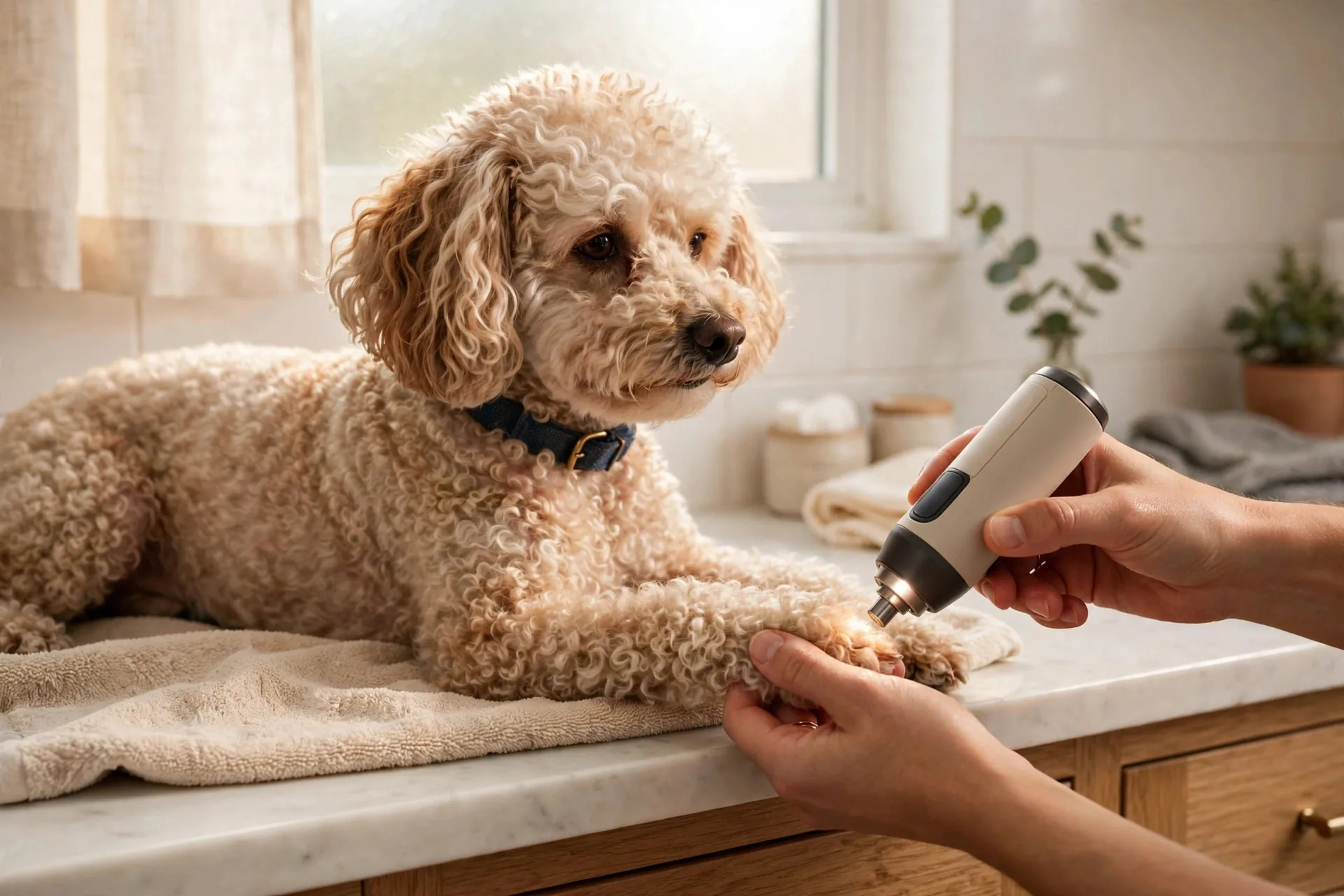
Nail Grinders vs. Clippers: Trimming Nails Without the Drama
Grinders are gradual and forgiving; clippers are fast and final. How to choose based on your dog's nerves, nails, and your confidence.