
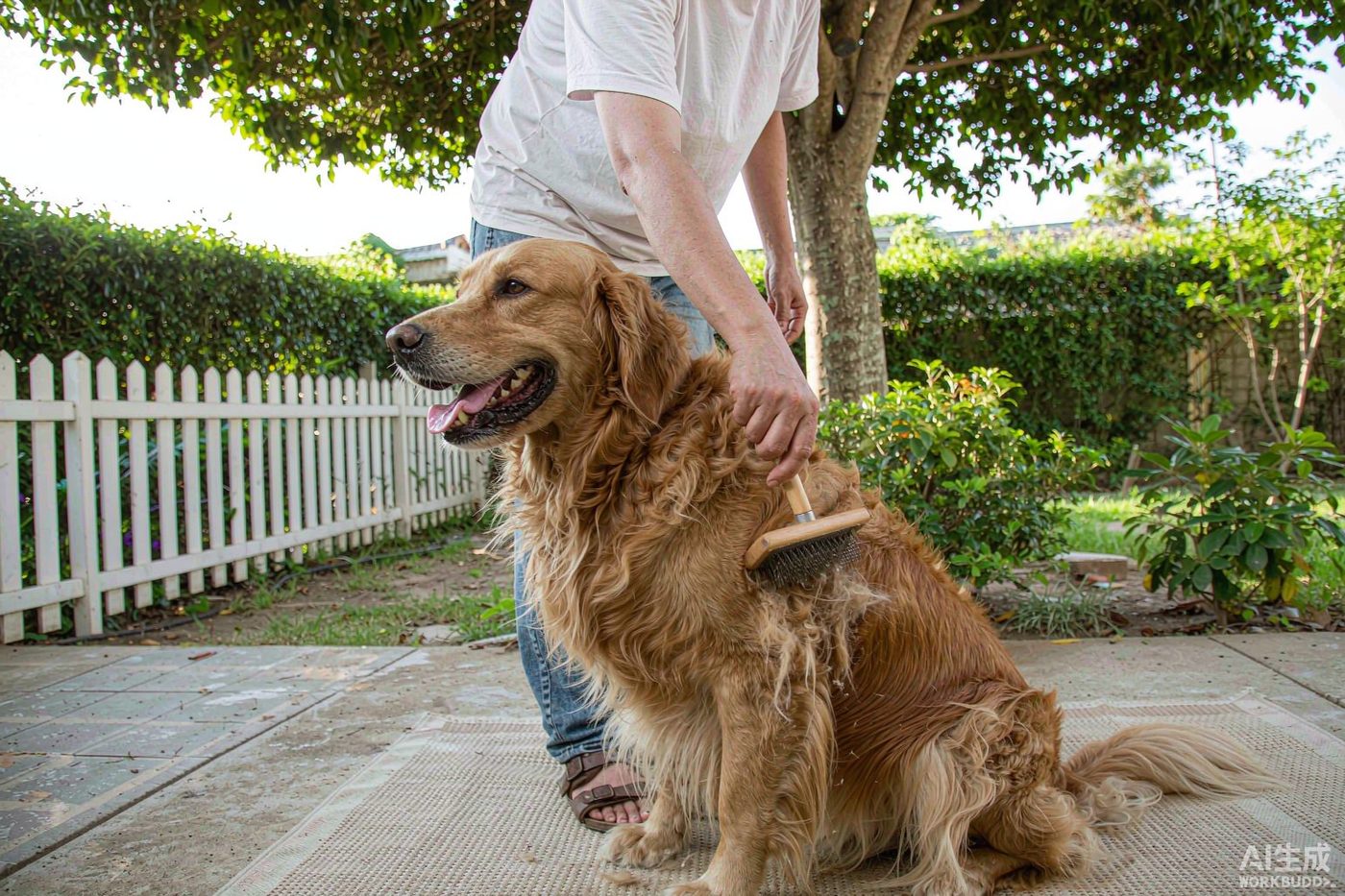
Twice a year, double-coated breeds turn your home into a snow globe of undercoat. A deshedding tool is the difference between managing the tumbleweeds and being managed by them. But the category is full of near-duplicates at wildly different prices — so here’s what actually matters when you’re staring at forty options with the same dog photo on the box.
What a deshedding tool actually does
Regular brushes smooth and detangle the topcoat. Deshedding tools reach past it to the loose, dead undercoat — the fluffy layer that sheds in blankets every spring and fall. Two mechanisms dominate:
- Undercoat rakes — rows of curved teeth (often with two rows) that comb through the coat and pull dead undercoat free. Gentle, hard to misuse, the right default for most first-time buyers.
- Edge/shedding blades — a fine edge that catches loose fur as you stroke. Very effective on short, dense coats; requires a lighter touch on sensitive dogs.
The famous comb-style tools with a button that ejects collected fur are essentially rakes with a convenience feature — nice, not magic. The teeth length is the real variable.
Match the tool to the coat
| Coat type | Best tool | Notes |
|---|---|---|
| Double coat, medium-long (golden, husky, GSD) | Undercoat rake, medium teeth | Work in sections, hair-by-nothing-pulling |
| Short double coat (lab, beagle) | Fine-tooth rake or shedding blade | Less depth needed, more frequent passes |
| Single coat, short (boxer, frenchie) | Rubber curry brush | Rakes reach nothing on these coats |
| Single coat, long (afghan, maltese) | Not a deshedding job — detangling slicker instead | Dead undercoat isn’t the issue |
If you own a single-coated short-hair, no deshedding tool on earth beats a $8 rubber curry — don’t let marketing upsell you into a rake your dog doesn’t need.
Technique: five rules that protect the coat (and the dog)
- Brush on a towel or outside. The fur you collect is fur you don’t vacuum. See our shedding cleanup kit for the indoor half of the battle.
- Never rake over mats. Detangle first with fingers or a slicker; rakes over mats pull skin.
- Short strokes, low angle. You’re combing, not plowing.
- Stop at pink skin or kicking legs. Light pressure only — a “line brush” approach (parting the coat and working small sections) reaches more undercoat with less pressure than repeated long strokes.
- Ten to fifteen minutes per session. Long sessions build resentment; short, frequent sessions with treats build a dog that asks for brushing.
Deshedding Brush (undercoat rake style)
Choose tooth length by coat depth, and prioritize rounded tine tips over fancy ejection buttons.
What owner reviews consistently show
- The “miracle” photos are real but cumulative. First sessions yield pillow-sized fur; by week three, each session yields less. That’s success, not failure.
- Cheap rakes with burrs on the tines scratch. Run the rake along your own forearm before using it on the dog — if it scratches you, it scratches them.
- Self-cleaning buttons jam with fine undercoat. A minor annoyance, not a dealbreaker.
- Bath + blow-dry first dramatically improves what a rake can pull afterward. A warm bath loosens dead undercoat; brushing a slightly damp (never wet) coat after drying multiplies yield.
Pros and cons of the category
Why it earns its shelf space
- Visible, immediate reduction in shed around the house
- Cheap, zero consumables, lasts years
- Most dogs relax into it with the right technique
Honest limits
- Doesn't stop shedding — it harvests it early
- Wrong tool for the coat = wasted money (see table)
- Needs technique; raking mats hurts
FAQ
How often should I deshed?
During spring/fall coat blows: every other day for double coats. Off-season: weekly. Short single coats: curry brush during baths and weekly quick sessions.
Can I deshed a wet dog?
Brush after towel-drying to *slightly damp* at most — wet fur stretches and breaks, and wet skin is more sensitive. Fully dry is the safest default.
Will it thin my dog's coat?
A rake removes *dead* undercoat only. You cannot "over-harvest" a coat with correct pressure — but never shave a double coat; that damages topcoat regrowth permanently.
Pair the rake with the right shampoo for sensitive skin during shedding season, and your couch might survive until December.