
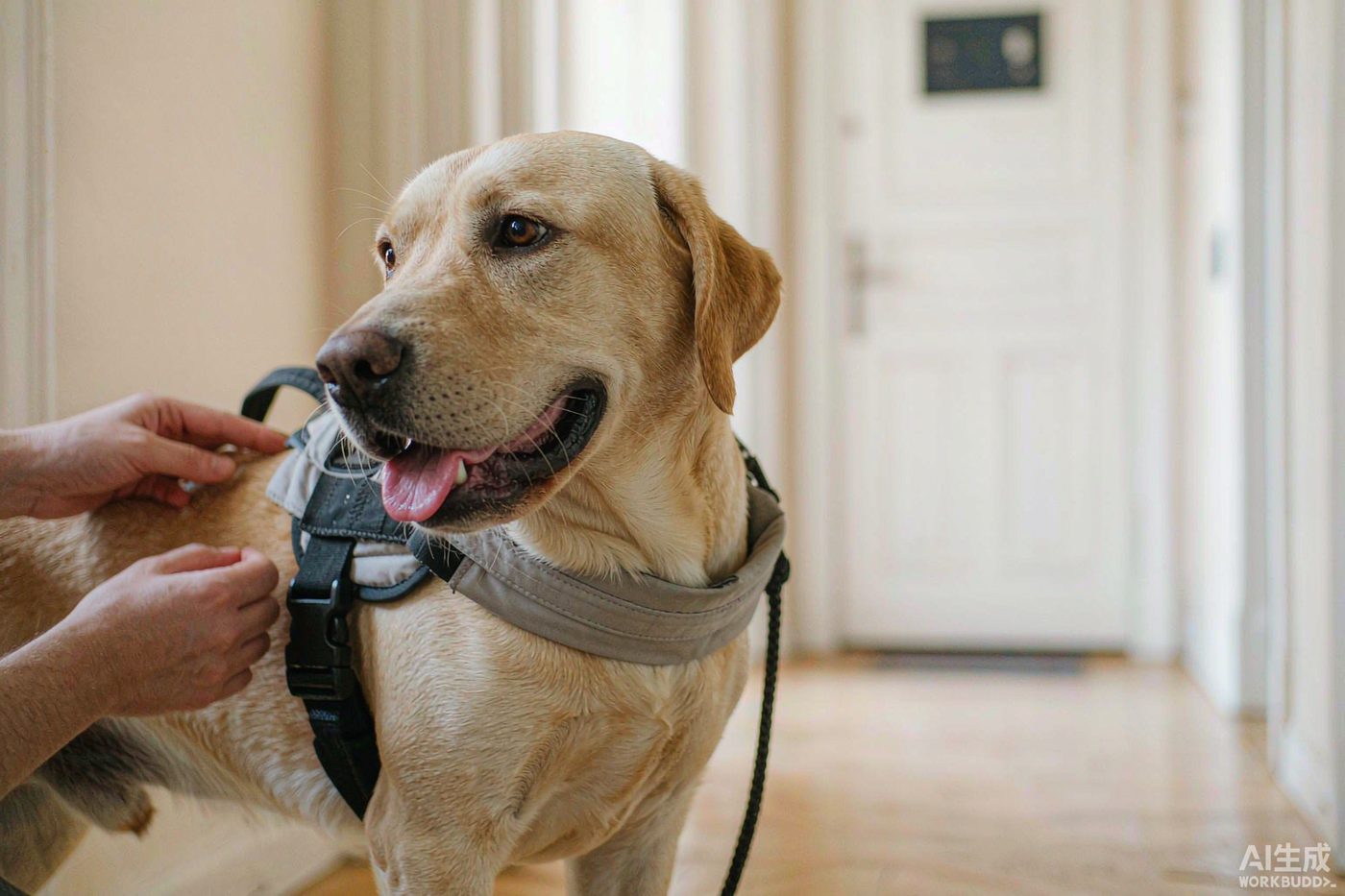
“No-pull” is the most over-promised phrase in dog gear. No harness trains a dog not to pull — but the right harness can make pulling physically unrewarding while keeping your dog comfortable and safe. The wrong one can rub shoulders raw, restrict gait, or squeeze like a vice. Here’s how to tell them apart.
First, understand why the front clip works
When a leash attaches at the chest (front clip) and the dog pulls, the dog’s own momentum turns them slightly sideways. Pulling forward stops working; turning back toward you starts working. It’s mechanics, not pain — which is why trainers recommend front-clip designs over prong collars and other pressure tools.
Back-clip-only harnesses, by contrast, can make pulling more comfortable — they turn your dog into a small sled dog with you as the sled. Fine for calm walkers and small dogs; the wrong tool for a 35 kg locomotive.
Dual-clip harnesses give you both: front for training, back for running and tracking-line work. See our hands-free leash review for pairing ideas.
The fit rules that prevent injuries
Harness fit problems are the single most common complaint pattern in owner reviews. Check these in order:
- The shoulder blades stay free. A horizontal strap that lies across the shoulder blade can restrict the natural swing of the front leg. Look for straps that sit above and below the shoulder, not across it.
- Two fingers, everywhere. You should slide two fingers under every strap — no more (too loose, chafing from movement) and no less (pressure sores).
- No armpit rubbing. The strap that wraps the chest behind the front legs should sit well clear of the armpits. Short-backed breeds (Frenchies, staffies) need designs with adjustable vertical straps.
- It stays put. A harness that rotates when the dog pulls sideways will chafe. Five-point adjustment beats three-point every time.
Sizing honestly
Measure chest girth (widest point, just behind the front legs) and neck — never guess by weight alone. Between sizes? Choose the larger and adjust down. Manufacturers’ size charts overlap inconsistently; a “large” from one brand is a “medium” in another.
Design features worth paying for
| Feature | Why it matters |
|---|---|
| Front clip + back clip | Train on front, graduate to back |
| Padded chest plate | Distributes pressure; protects the sternum |
| Top handle | Control in traffic — non-negotiable for big dogs |
| Two side-release buckles | Put it on without lifting legs over the head (nervous dogs) |
| Reflective trim | Visibility on winter evening walks |
| Escape-resistant back strap | Between shoulders — for the backing-out artists |
No-Pull Harness (front-clip, padded)
Measure chest girth first. Prioritize 5-point adjustment, padding, and a top handle.
A harness is half the solution
Be honest about the physics: a harness changes consequences, not motivation. Pair it with a simple protocol — stop dead every time the leash goes taut, reward position at your knee — and most dogs improve within weeks. Our collar vs. harness comparison covers when a plain flat collar is still the right call.
Pros and cons
What a good front-clip harness does
- Makes pulling self-correcting without pain
- Protects the neck and throat from pressure injuries
- Top handle gives instant control in tight spots
- Dual-clip versions grow with training
What it won't do
- Train the dog by itself
- Fit two dogs of the same weight differently — always measure
- Stop a determined escape artist that's between sizes
FAQ
My dog still pulls in the front clip. Broken?
Usually the clip is too low or the harness rotates. The front attachment should sit at the center of the chest, and straps need the two-finger tension check. Also confirm the leash angle — a long line neutralizes the steering effect.
Are harnesses bad for a dog's shoulders?
A well-fitted harness isn't. A badly fitted one can be — that's the shoulder-blade rule above. If you notice altered gait after switching, refit or return it.
Puppy?
Yes — harnesses are the standard recommendation for puppies, precisely because they're forgiving of chaotic direction changes. Buy cheap while they grow, fit properly at adult size.